Hubei
Boundless Chu Skies, the Great River Flows East
Suggested Days
4 days
Best Time
Mar, Apr, May, Sep, Oct, Nov
Price Level
¥¥
Tags
history · culture
Rating
4.8 ⭐
Introduction
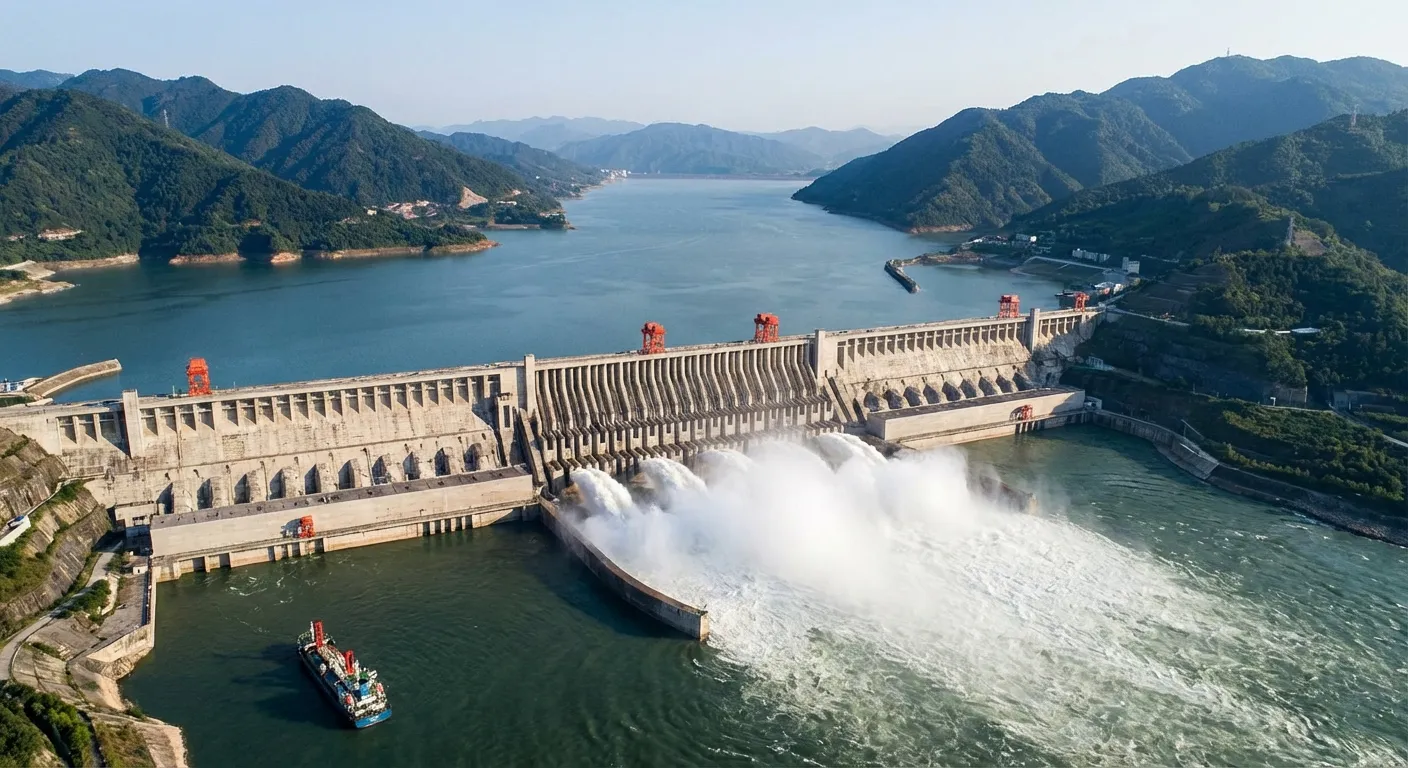
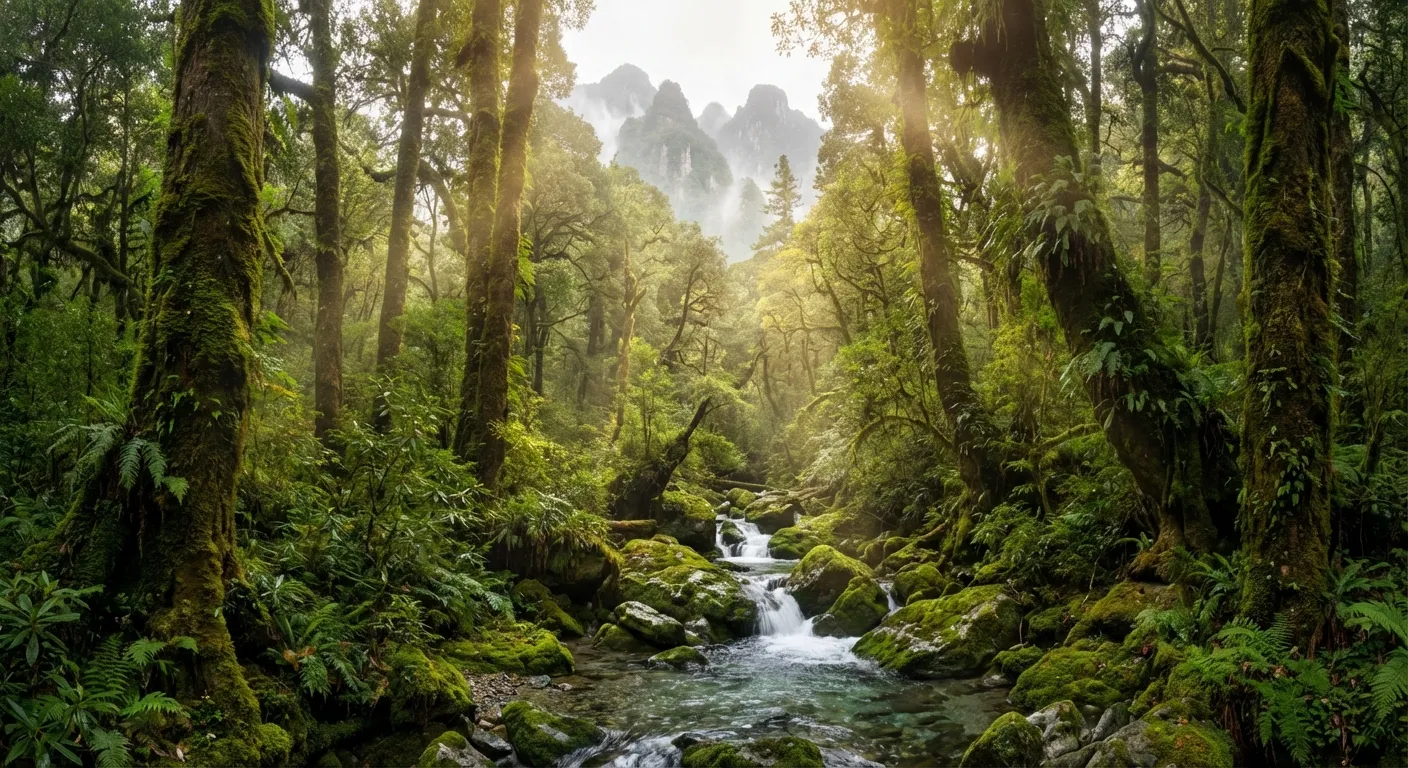
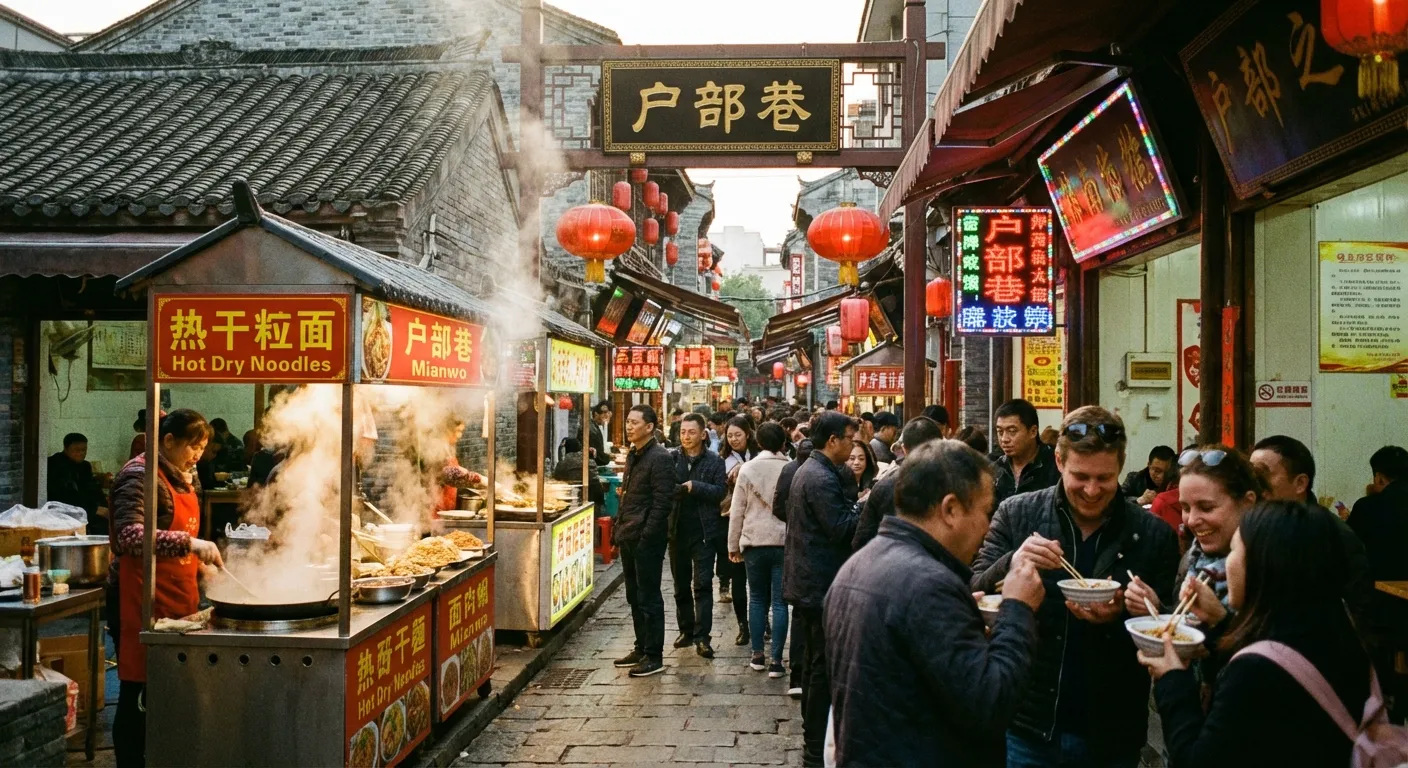
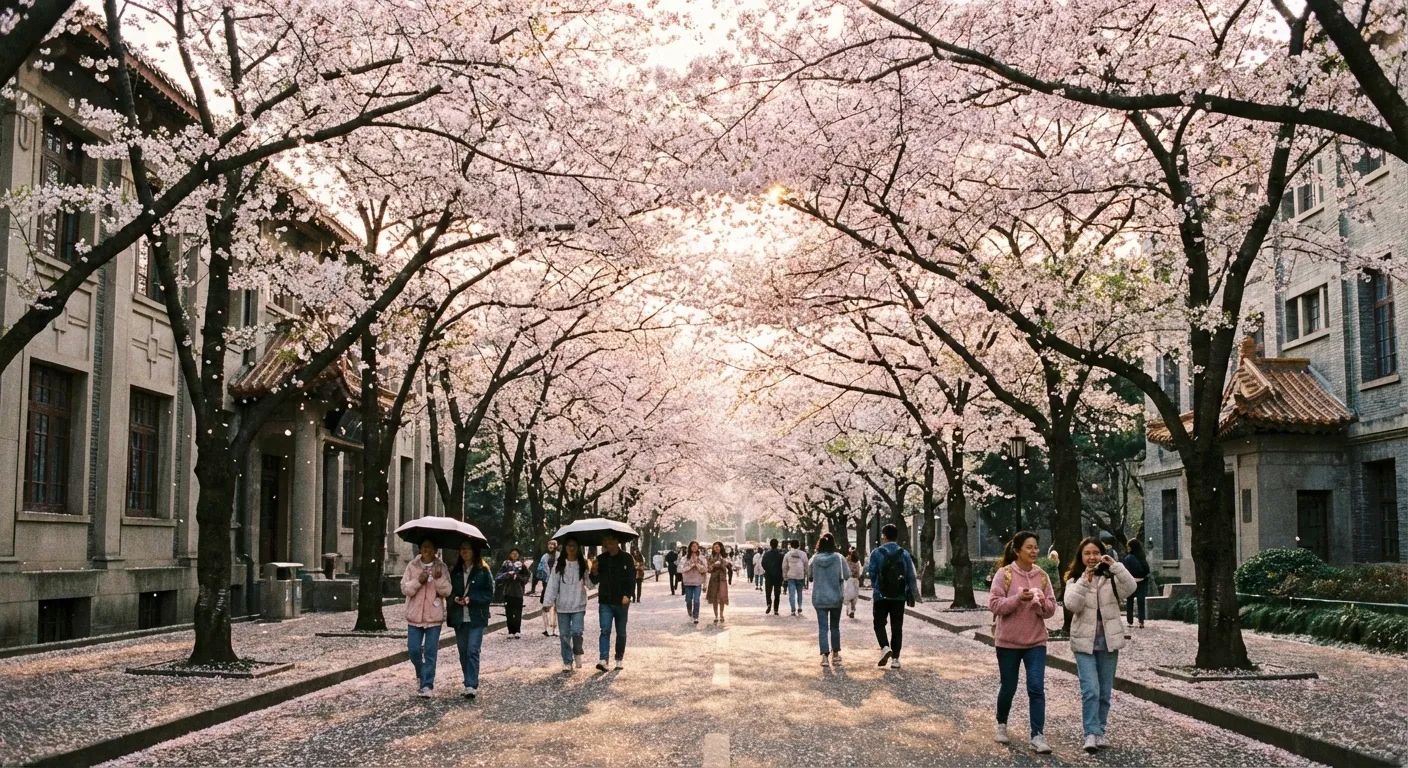
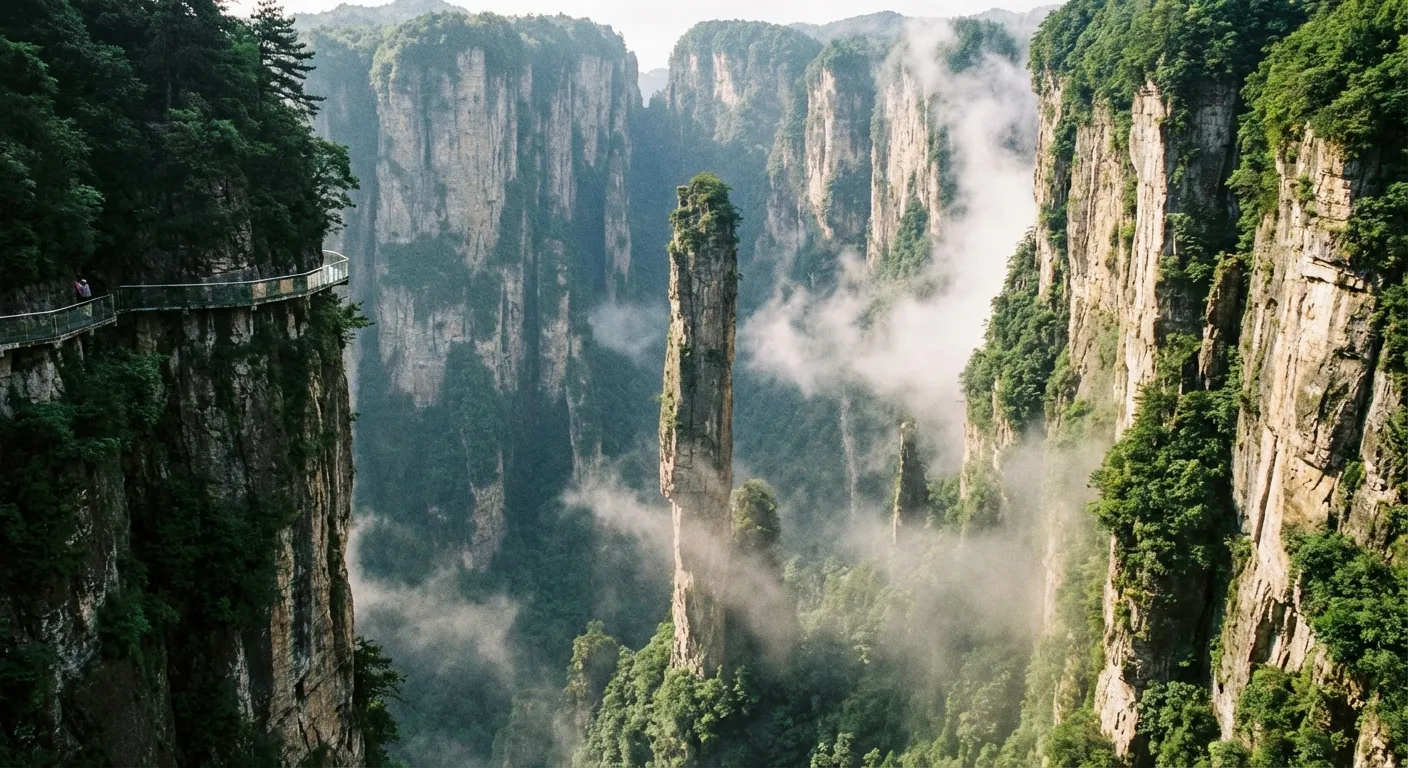
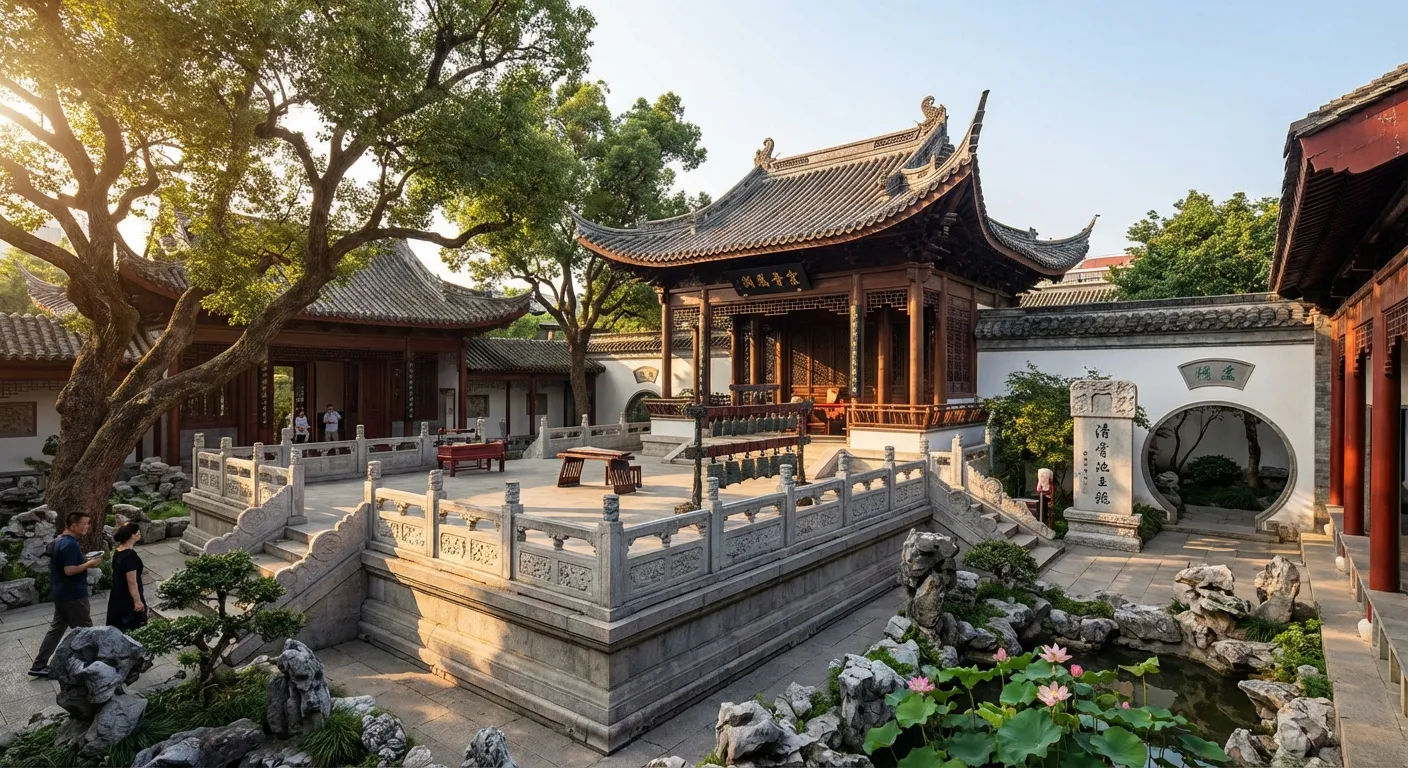
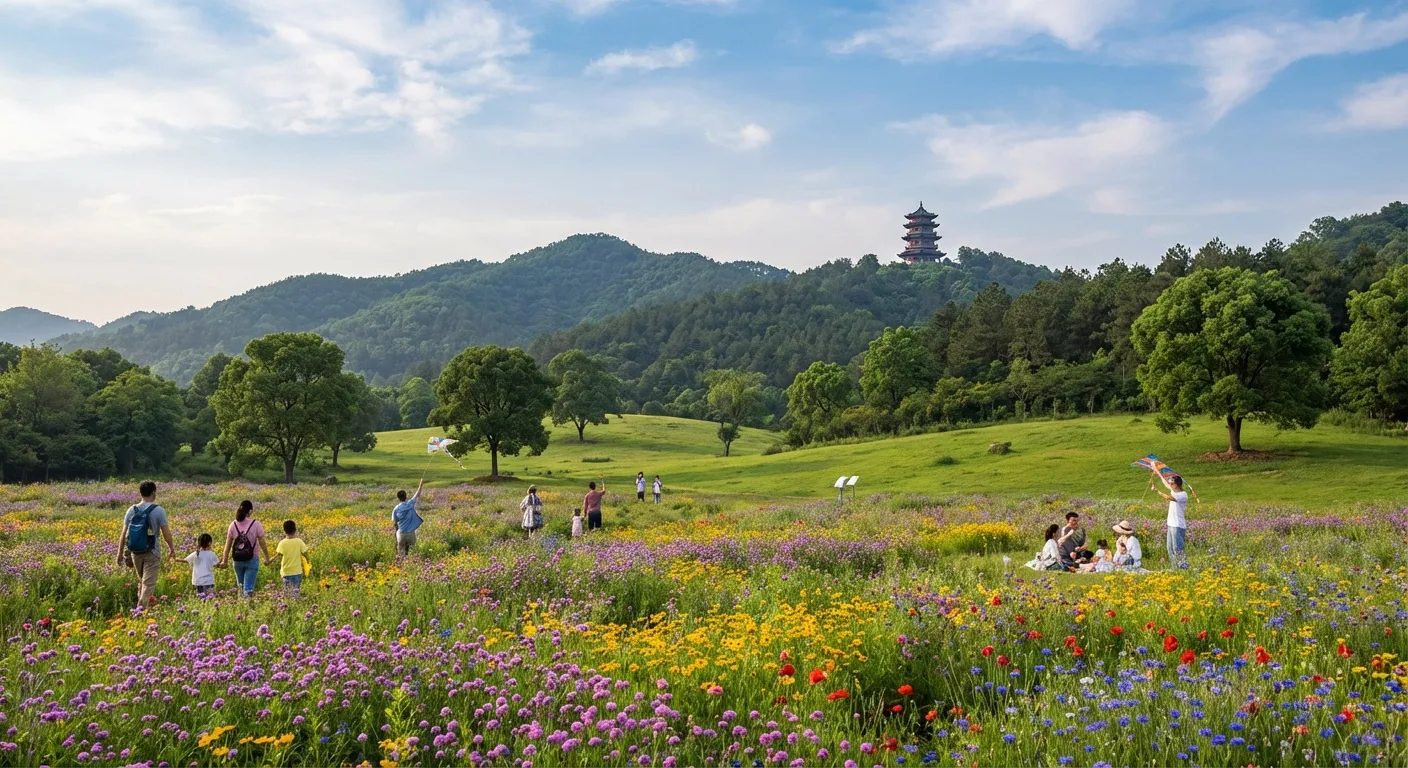
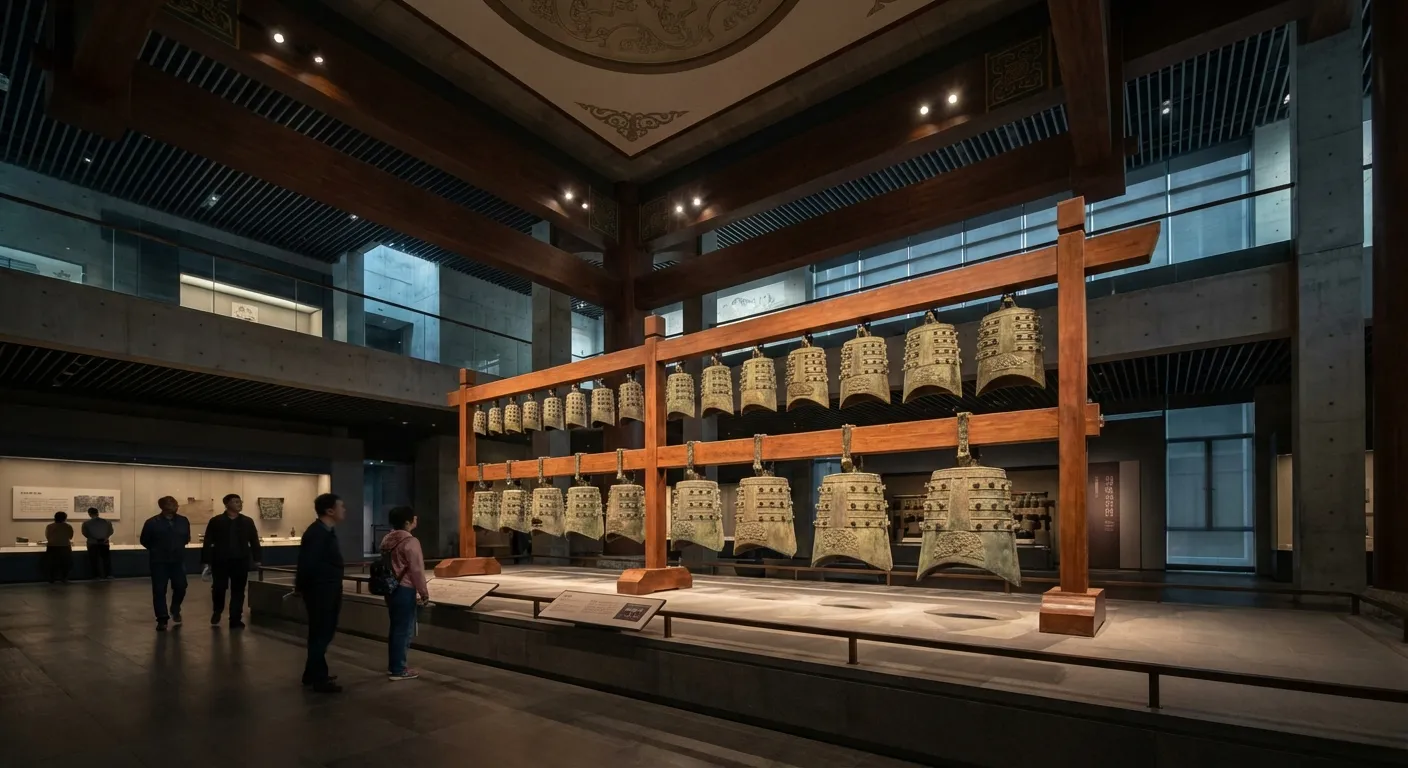
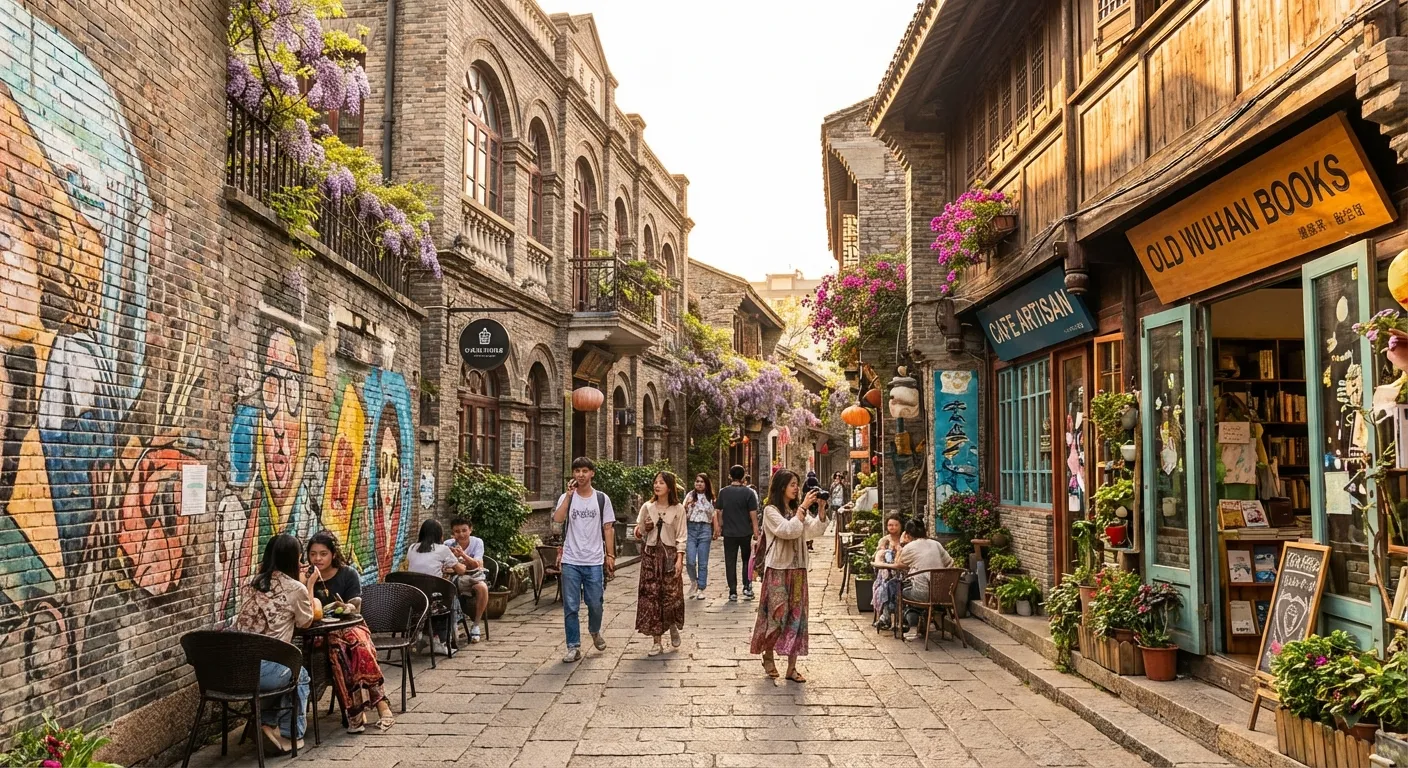
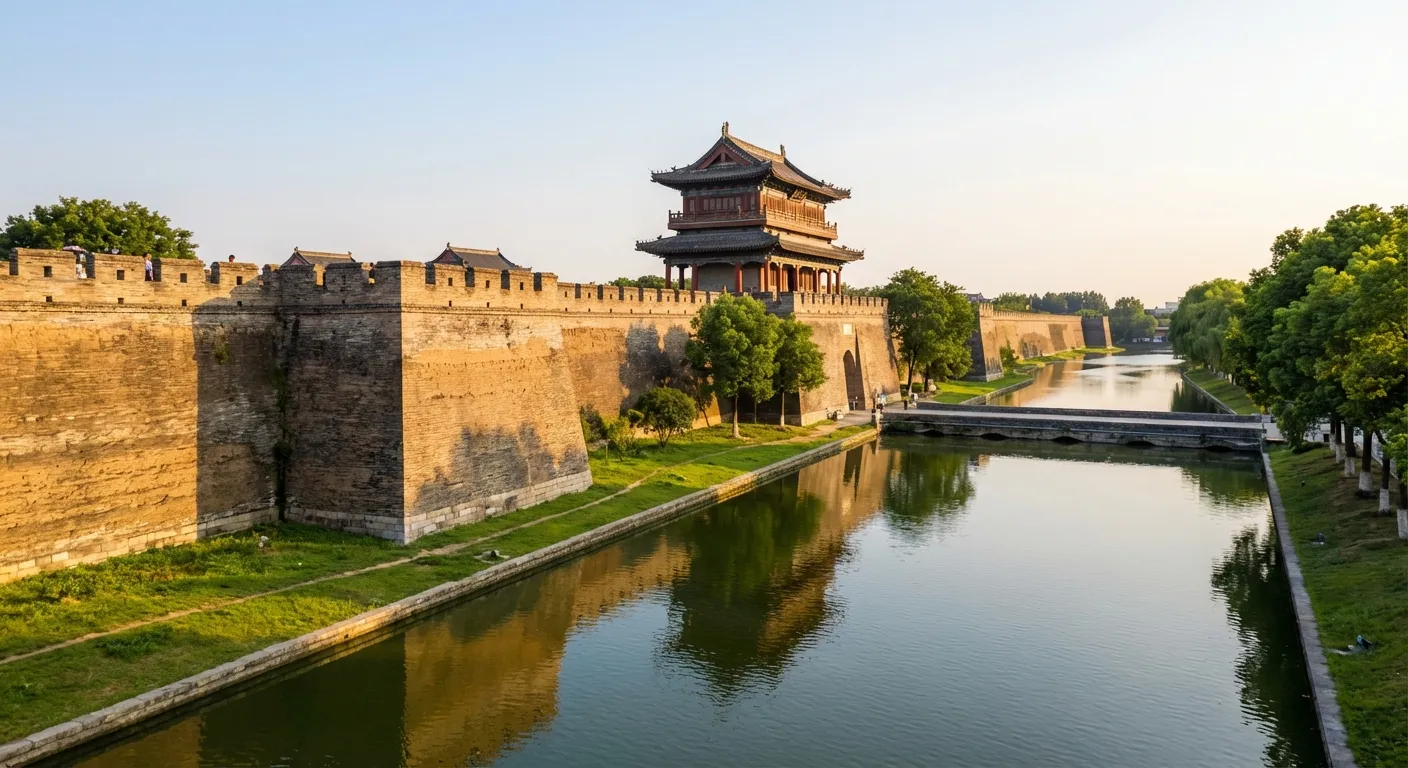
Hubei, situated in the heartland of central China, takes its name from its location north of Dongting Lake. Since ancient times, it has been a transportation hub connecting nine provinces and the birthplace of Chu culture. The Yangtze and Han rivers converge here, nurturing the brilliant Yangtze civilization and shaping a landscape of grand mountains and waters alongside a bold and generous cultural spirit. The provincial capital Wuhan is one of China's most vibrant megacities. Yellow Crane Tower stands majestically atop Snake Hill — the timeless verse 'The sage departed on a yellow crane long ago, leaving only Yellow Crane Tower behind' echoes through the ages. From its summit, the magnificent panorama of the Yangtze and Han rivers' confluence unfolds before your eyes. The First Yangtze River Bridge — Wuhan Yangtze River Bridge — spans the natural barrier, connecting Tortoise Hill and Snake Hill, its bold declaration of turning 'a natural moat into a thoroughfare' stirring the heart. East Lake is the largest urban lake in China, where cherry blossoms bloom and lotus leaves spread across shimmering waters. Every March, the cherry blossom avenue at Wuhan University draws millions of visitors for a springtime rendezvous. Heading west, Wudang Mountain floats in ethereal mists with Taoist temples lining its slopes. Atop the Golden Summit, the Purple Forbidden City stands imposingly at 1,612 meters on Heavenly Pillar Peak, where Taoist Tai Chi culture has been passed down for millennia — the legends of Zhang Sanfeng's Tai Chi still captivate the world. Venturing deeper into western Hubei, the Xiling Gorge of the Three Gorges is renowned for its precipitous cliffs, and the world-famous Three Gorges Dam locks the Yangtze in place — this largest hydraulic engineering project on Earth showcases humanity's monumental ability to reshape nature. Shennongjia is the only administrative district in China named after a 'forest zone.' Primeval forests blot out the sky, rare golden snub-nosed monkeys frolic in the branches, and legends of the 'Wildman' add endless allure to this mysterious land. Enshi Grand Canyon, with its hundred-li cliffs, thousand-zhang waterfalls, and solitary standing pillars, is hailed as the 'Eastern Colorado.' The Qingjiang River winds like a jade ribbon along the valley floor, while the stilted houses and Baishou Dance of the Tujia people preserve ancient ethnic traditions among the gorges. Back in Wuhan, a bowl of hot dry noodles is the city's most authentic culinary calling card — rich sesame paste coating springy alkaline noodles, topped with pickled beans and spicy radish. In the 'guozao' breakfast culture, Wuhan locals are warm, bold, and full of zest for life. Whether you are a history seeker tracing the millennia-old legacy of Chu culture, a nature lover yearning for magnificent mountains and waters, or a traveler eager to experience China's vibrant street life, Hubei will embrace you with the open spirit of a crossroads of nine provinces, unfolding a journey through ancient and modern China in all its splendor.
Hubei is one of China's most multifaceted travel destinations. From the urban bustle of Wuhan to the Taoist paradise of Wudang Mountain, from the engineering marvel of the Three Gorges Dam to the primeval wilderness of Shennongjia, and the karst wonders of Enshi Grand Canyon — each stop offers a completely different experience. For first-time visitors, I recommend 4–5 days for the essential Wuhan city route. With more time, extend to 7 days to include Wudang Mountain, or 10 days to connect Shennongjia and Enshi. The best travel seasons are March–May and September–November, with cherry blossom season (mid to late March) being especially recommended. Note that Wuhan summers are brutally hot — it's famously known as one of China's 'furnace cities.' In July–August, skip Wuhan and head to Shennongjia for cool mountain retreats instead. Wudang Mountain and Enshi Grand Canyon require decent physical fitness, so prepare accordingly.
Traveler Reviews
Travel Highlights
Top Attractions
Local Cuisine
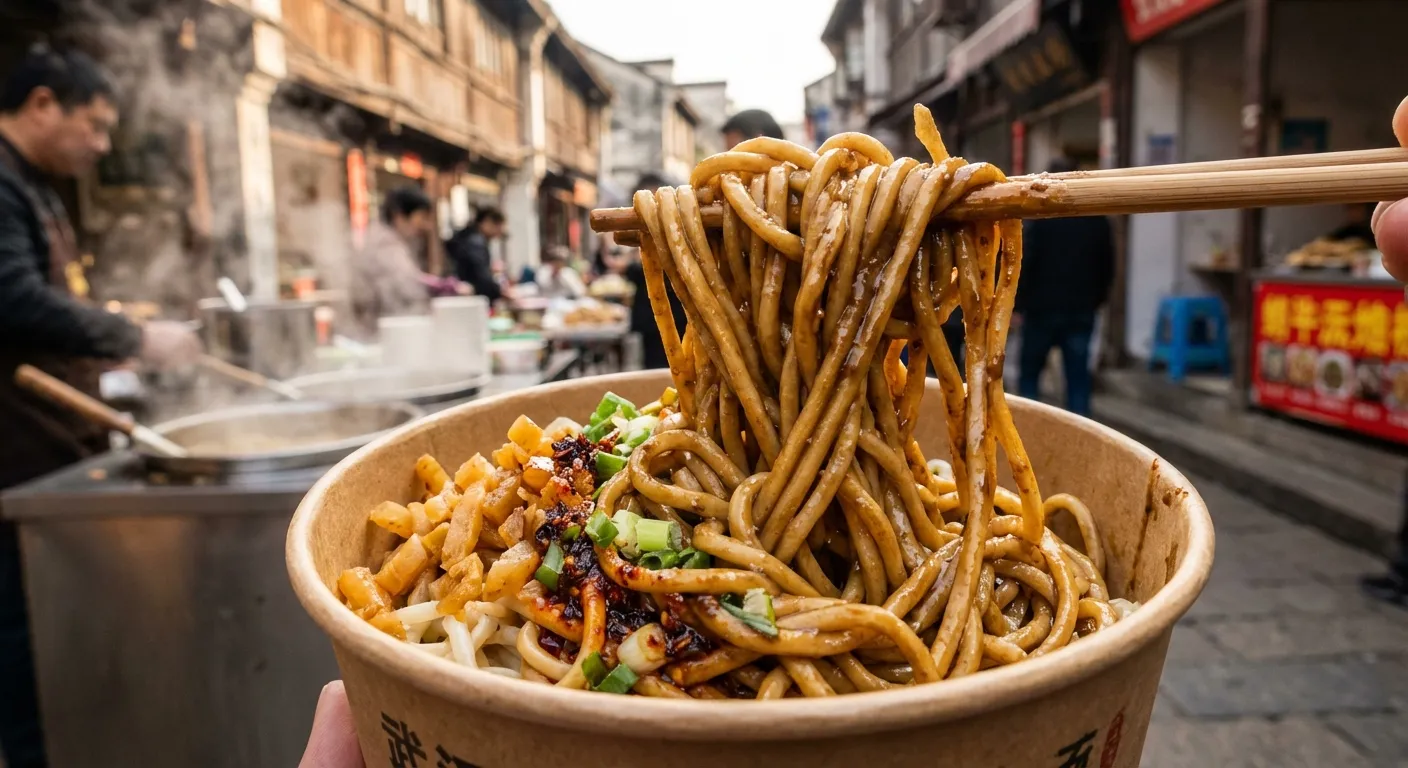
Hot Dry Noodles (Reganmian)
Wuhan's culinary calling card and the No. 1 noodle dish in China. Alkaline noodles are boiled, drained, and tossed with sesame oil to cool (a process called 'dan mian'), then quickly blanched in boiling water before serving. They're drizzled with thick sesame paste and topped with pickled beans, diced spicy radish, scallions, and a splash of soy-based broth. The rich, nutty aroma of sesame paste envelops every springy strand — savory with hints of tang and spice, complex yet never heavy. A Wuhan local's day begins with a bowl of hot dry noodles — in the 'guozao' breakfast culture, hot dry noodles reign supreme.
📍 Cai Lin Ji in Hubu Alley (century-old brand), Shi Ji Hot Dry Noodles, Pang Ji Hot Dry Noodles, unnamed street-side breakfast stalls (often the most authentic)
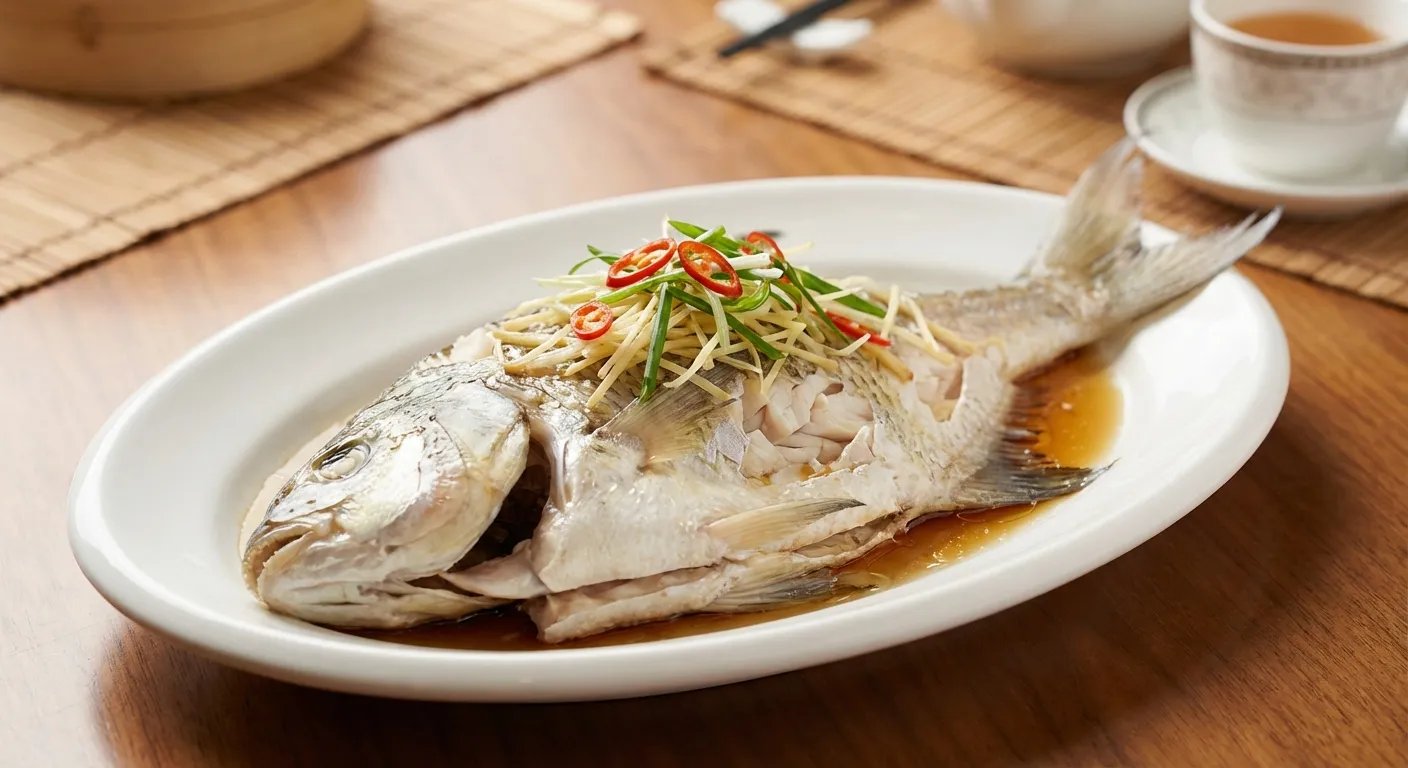
Wuchang Fish
Hubei's most celebrated freshwater fish dish, made famous nationwide by Mao Zedong's poem: 'Having just drunk the waters of Changsha, now I feast on Wuchang fish.' Wuchang fish (blunt-snout bream) comes from Liangzi Lake in Ezhou, prized for its tender, delicate flesh and few bones. The classic preparation is steaming — the whole fish is laid with ginger, scallions, and red peppers, then steamed over high heat to preserve the purest sweetness of the flesh. A final drizzle of sizzling hot oil produces a satisfying sizzle and releases an irresistible aroma. Braised and bean-paste-stewed versions are also popular, each with its own charm. Wuchang fish is a staple at Hubei banquets and a must-try classic for visitors to Wuhan.
📍 Major Hubei cuisine restaurants in Wuhan, such as Dazhonghua Restaurant, Hujin Restaurant, and Yanyangtian chain restaurants
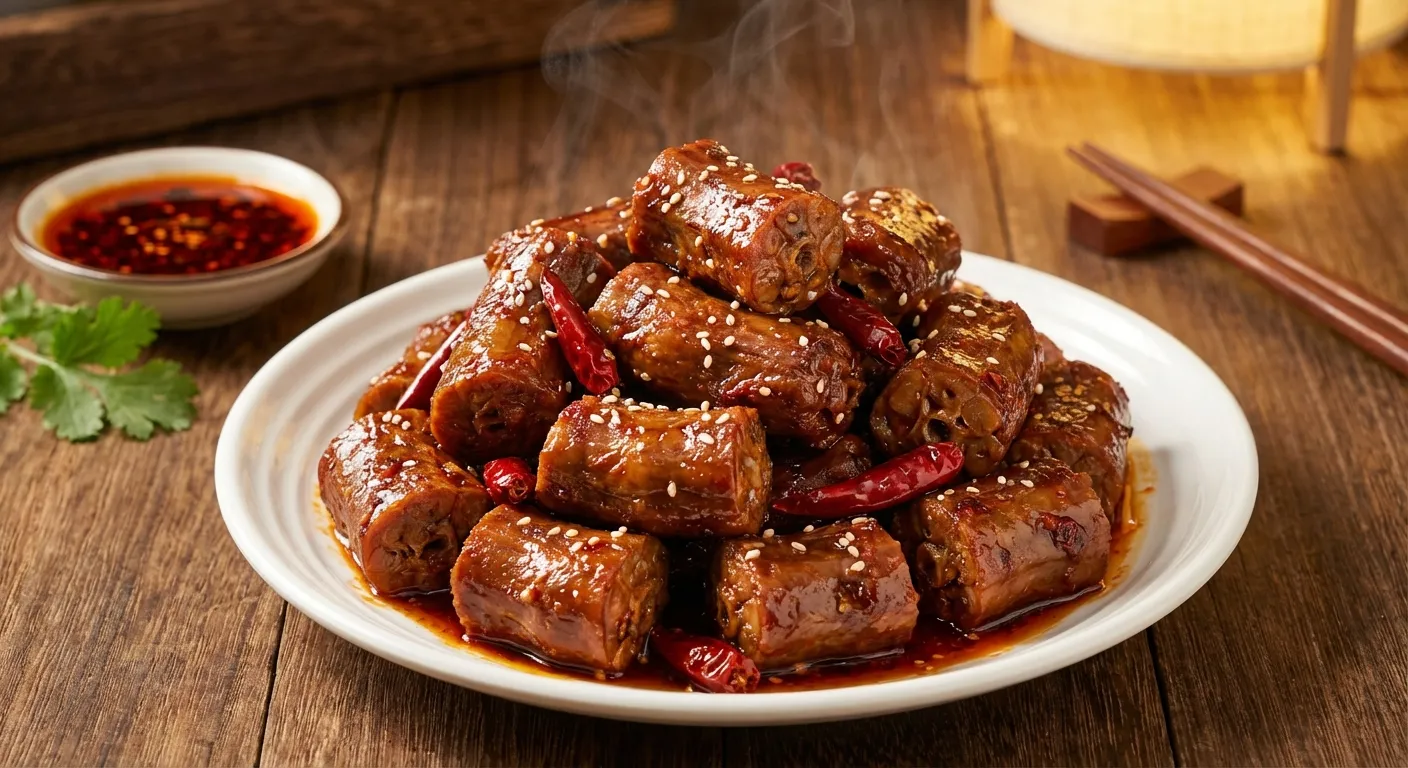
Duck Neck
One of Wuhan's most influential contributions to China's snack culture. Wuhan duck necks originated on Jingwu Road in Hankou. After braising in a spiced marinade, they emerge numbingly spicy, savory, and fragrant, with meat clinging to bone — the gnawing process itself is half the fun. The secret lies in the marinade recipe — dozens of Chinese herbs and spices simmered for hours infuse every inch of bone and sinew with layers of numbing, spicy, savory, and salty flavors. Eating duck neck is all about the technique of gnawing — teeth tearing at the springy tendons while heat and tingle alternate on the palate, increasingly addictive with every bite. Brands like Zhou Hei Ya and Jingwu, born in Wuhan, have spread nationwide, but the most authentic flavors remain on Wuhan's streets.
📍 Jingwu Road Duck Neck Street (the birthplace), Zhou Hei Ya shops everywhere, Caidian authentic braised duck neck
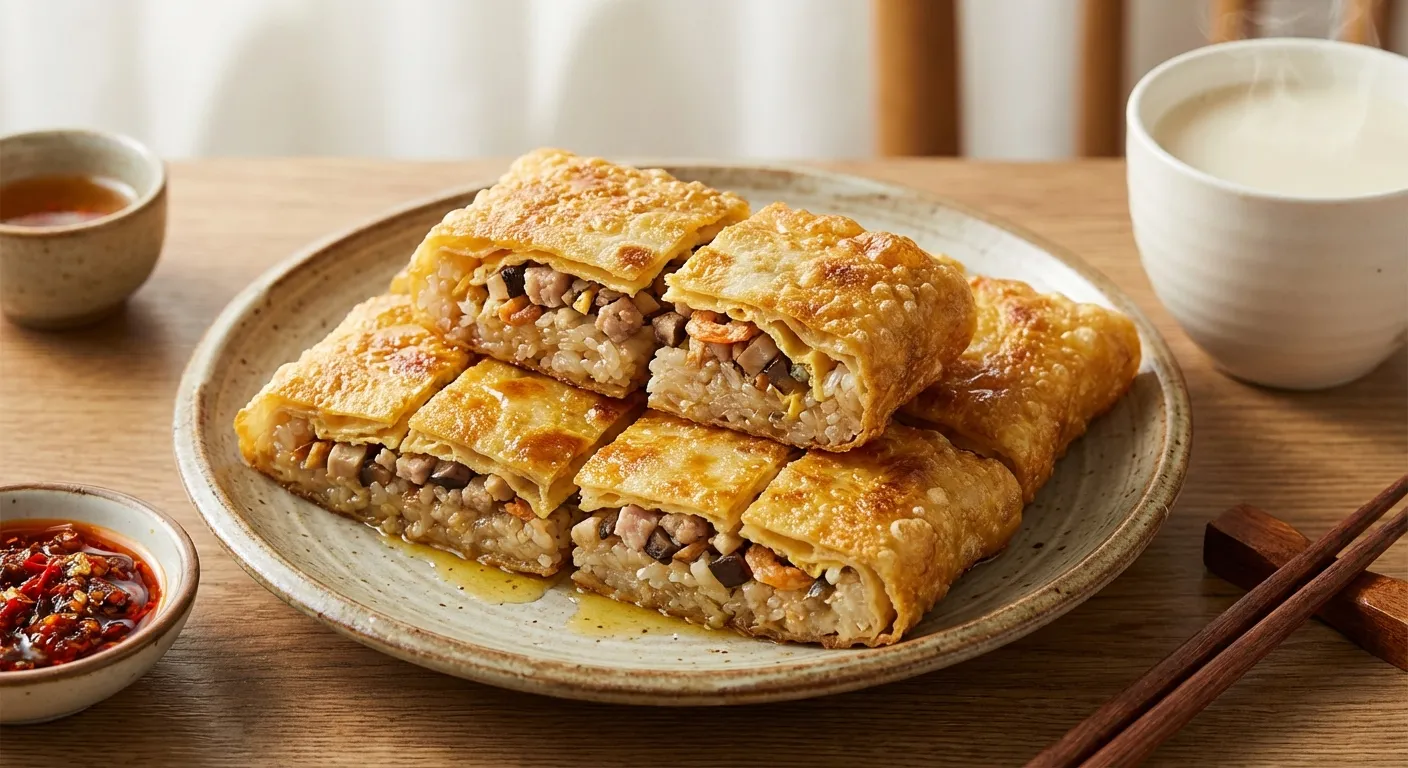
Three-Fresh Bean Curd Wraps (Sanxian Doupi)
A uniquely Wuhan traditional breakfast item, rivaling hot dry noodles as the twin king of Wuhan's 'guozao' culture. Making sanxian doupi is an art form — a batter of ground mung beans and rice is spread into a thin crepe on a large iron pan, topped with a layer of sticky rice, then scattered with diced pork, fresh shrimp, and fresh bamboo shoots (the 'three freshes'). The whole thing is flipped and pan-fried until the bottom turns golden and crispy. Cut into squares and served, the outer skin is golden and crunchy while the filling is soft, sticky, and savory — one bite delivers four textures: crisp, soft, chewy, and umami, all mingling on the palate. Watching the chef flip the massive doupi on the pan is a show in itself.
📍 Lao Tongcheng Doupi in Hubu Alley (century-old brand), Yan Laoyo Doupi King, freshly made at various breakfast stalls
Where to Stay
Wuchang District (Yellow Crane Tower / East Lake area)
Wuhan's most central tourism accommodation zone. Major attractions including Yellow Crane Tower, Hubu Alley, Yangtze River Bridge, Tanhualin, East Lake, and Hubei Provincial Museum are all nearby. The Simenkou and Zhongnan Road areas offer a wide range of hotels from budget to upscale, with convenient transportation and direct metro access.
Hankou Riverside / Jianghan Road
Wuhan's commercial center and fashion landmark. Jianghan Road Pedestrian Street, Hankou Riverside Promenade, and the century-old concession-era architecture are the highlights of this area. Evenings offer riverside walks with views of the Wuchang light show across the river. Jianghan Road is one of China's longest pedestrian streets, with abundant shopping and dining options.
Wudang Mountain Scenic Area
The Taiji Lake Resort area and Wudang Mountain Town at the foot of the mountain offer various accommodations from hostels to resort hotels. For sunrise viewing, stay at Wuyaling or near the Golden Summit in rustic guesthouses — basic but perfectly located. Taiji Lake has upscale resort hotels in a beautiful setting.
Enshi City Center
The capital of Enshi Tujia and Miao Autonomous Prefecture, serving as the accommodation base for visiting Enshi Grand Canyon, Tusi City, and Hefeng Pingshan Gorge. City hotels offer great value, and Tujia-style guesthouses provide a distinctive experience. Shinan Ancient City has a lively night market with abundant food.
Getting Around
How to Get There
💡 Wuhan Tianhe Airport is the largest international airport in central China with numerous domestic and international direct flights; the metro from the airport to downtown takes about 1 hour. Wuhan is a core hub of China's high-speed rail network, known as the 'crossroads of nine provinces,' with direct trains from Beijing (about 4.5 hours), Shanghai (about 4 hours), Guangzhou (about 4 hours), and Chengdu (about 5 hours). Wuhan has three railway stations — be sure to check which station your train departs from. Yichang East Station is the gateway to the Three Gorges Dam, and Enshi Station is the starting point for Enshi Grand Canyon
Local Transport
🚇 Metro: Wuhan has an extensive metro system (12 lines in operation) covering major attractions and transport hubs; other cities in Hubei do not have metro systems
🚌 Bus: All cities have well-developed bus networks; Wuhan's bus routes densely cover the entire city. Travel between scenic areas is mainly by tourist shuttle or chartered vehicle
🚕 Taxi: Wuhan's base fare is ¥10; using the Didi ride-hailing app is recommended. Rush hour traffic can be heavy in the city center — the metro is more reliable. For distant destinations like Wudang Mountain and Shennongjia, book a chartered vehicle in advance
💡 Wuhan's three districts are separated by rivers — cross-river tunnels and bridges get severely congested during rush hour, so prioritize the metro. The Yangtze ferry is a unique Wuhan transport experience (¥2/person). High-speed trains from Wuhan to Yichang take about 2 hours, to Shiyan (Wudang Mountain) about 2 hours, and to Enshi about 4.5 hours. Transportation to Shennongjia is relatively inconvenient — self-driving or chartered vehicles are recommended
Budget Guide
Budget
¥250–400/day
Accommodation: Hostels ¥50–80, budget hotels ¥100–150
Dining: ¥50–100
Transport: ¥50–80
Mid-Range
¥500–900/day
Accommodation: Boutique hotels / characteristic guesthouses ¥250–500
Dining: ¥120–250
Transport: ¥100–200
Luxury
¥1,500+/day
Accommodation: Luxury resort hotels / river-view suites ¥800+
Dining: ¥300+
Transport: Chartered vehicle ¥500–800
Practical Info
Payment
WeChat Pay and Alipay are widely accepted in Wuhan and all prefecture-level cities. Small shops within Wudang Mountain and Shennongjia scenic areas and remote mountain areas in Enshi may require cash — bring a small amount just in case
Language
Mandarin is spoken everywhere; locals also speak Hubei dialect (Wuhan dialect is quite distinctive). Young people in Wuhan can generally communicate in basic English. Major attractions have English signage, but English proficiency is lower in remote areas like Enshi and Shennongjia — a translation app is recommended
Safety
Public safety is good and the tourism environment is mature and secure. Watch your footing on mountain trails at Wudang Mountain and Enshi Grand Canyon and follow plank road safety rules. Wuhan summers are extremely hot — guard against heatstroke and carry sunscreen and plenty of water. Shennongjia's mountain areas have large day-night temperature swings — dress warmly
Communication
Wuhan has full 4G/5G coverage. Signal is generally fine within Wudang Mountain and Enshi Grand Canyon scenic areas. Some deep forest areas in Shennongjia have weak signal — download offline maps in advance
📊 More City Data
Population
5775M
Area
185,900 km²
Elevation
23 m
Timezone
UTC+8
Coordinates
30.6°N, 114.3°E
Founded
1500 BCE
Recommended Routes
Wuhan City Highlights 4 Days (Great River, Great Lake, Great Wuhan)
4 daysAn in-depth exploration of the classic culture and cuisine across Wuhan's three districts, experiencing the rich history and fiery street life of this crossroads city
Wuhan + Wudang Mountain + Three Gorges Dam In-Depth 7 Days (Tower, Sacred Mountain, Dam)
7 daysFrom Wuhan's urban charm to Wudang Mountain's Taoist paradise to the Three Gorges Dam's engineering marvel — one trip to experience Hubei's three crown jewels
Hubei Grand Tour 10 Days (Wuhan + Wudang + Shennongjia + Enshi + Three Gorges)
10 daysTraverse the full breadth of Hubei — from Wuhan's metropolis to Wudang's sacred peaks, from Shennongjia's primeval wilderness to Enshi's canyon wonders, to the Three Gorges Dam's grandeur — all of Hubei's highlights in one journey
Wuhan Chu Culture + Food Exploration 3 Days (Soulmates in the River City)
3 daysDesigned for culture enthusiasts and food lovers — delve into Wuhan's Chu cultural roots and 'guozao' breakfast culture, experiencing the most authentic street life of the River City
FAQs
Start Planning Your Hubei Trip
Our travel advisors will craft a personalized itinerary for your worry-free Hubei journey.
Get in Touch