Hunan
Spectacular Peaks, Enchanting Waters, and Fiery Flavors
Suggested Days
5 days
Best Time
Mar, Apr, May, Sep, Oct, Nov
Price Level
¥¥
Tags
nature · culture
Rating
4.6 ⭐
Introduction
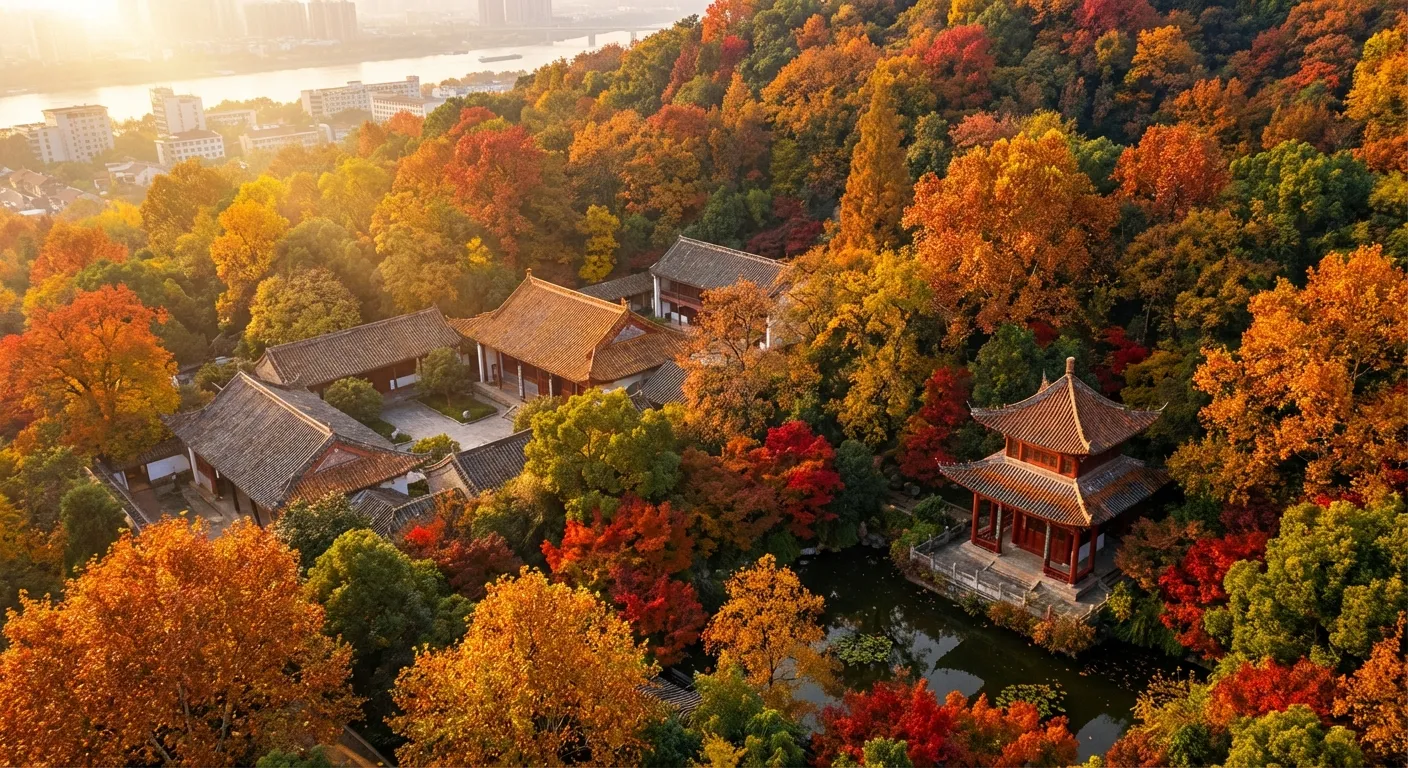
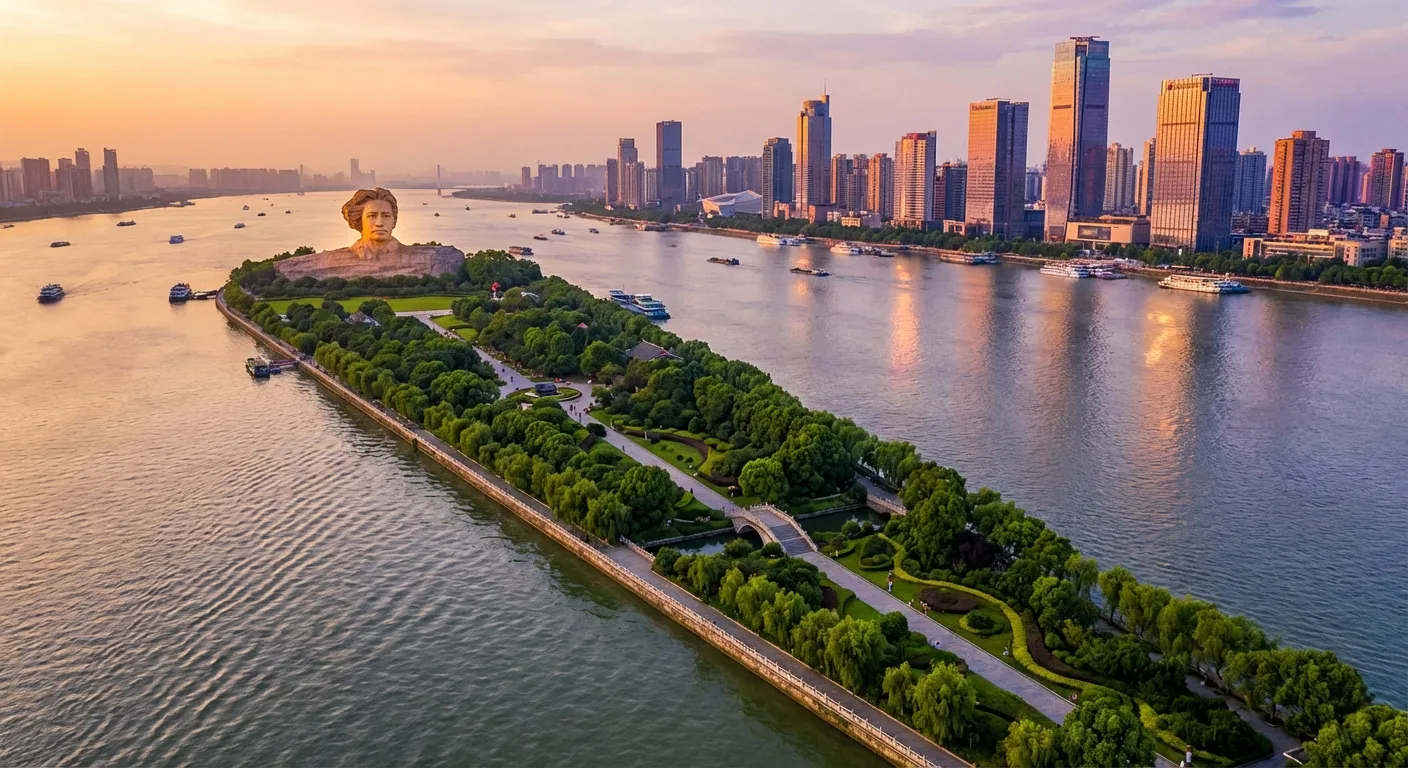
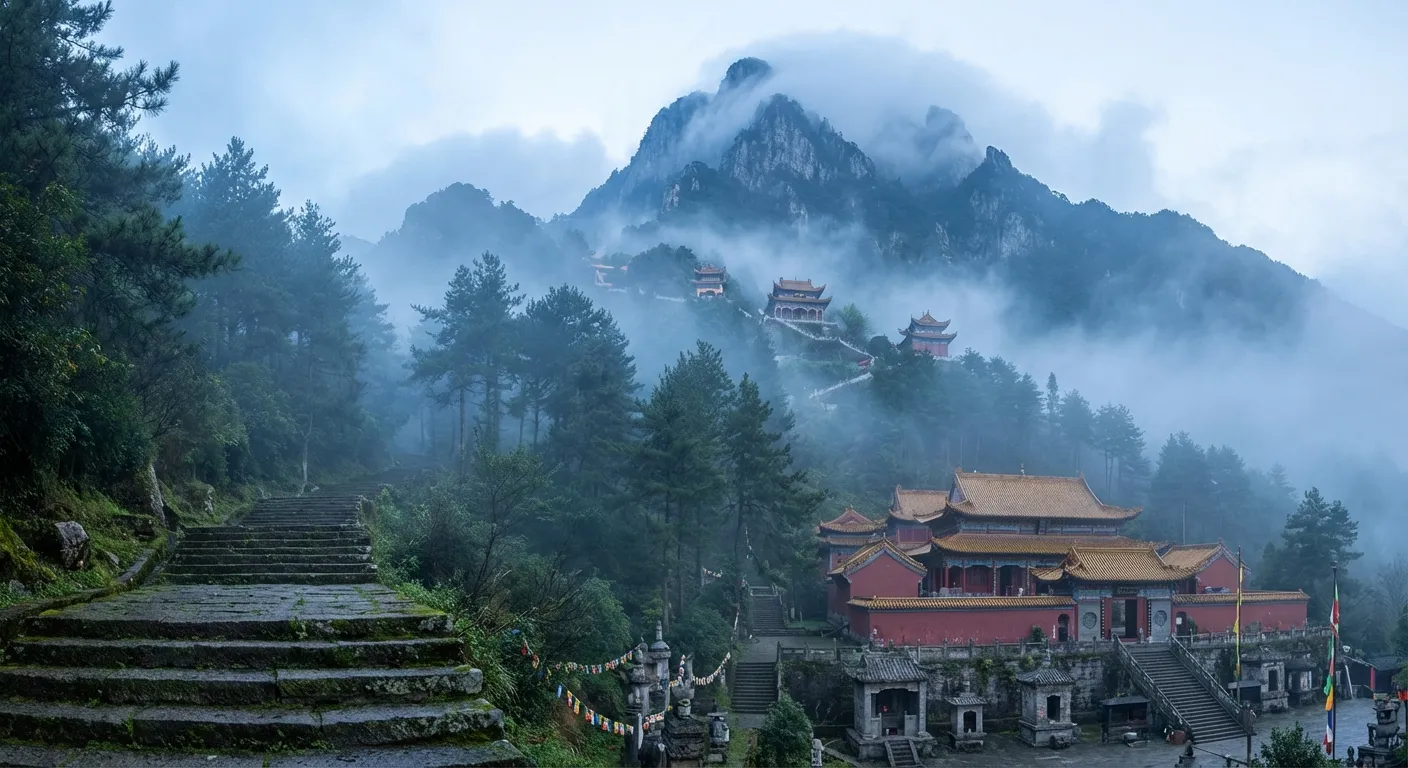
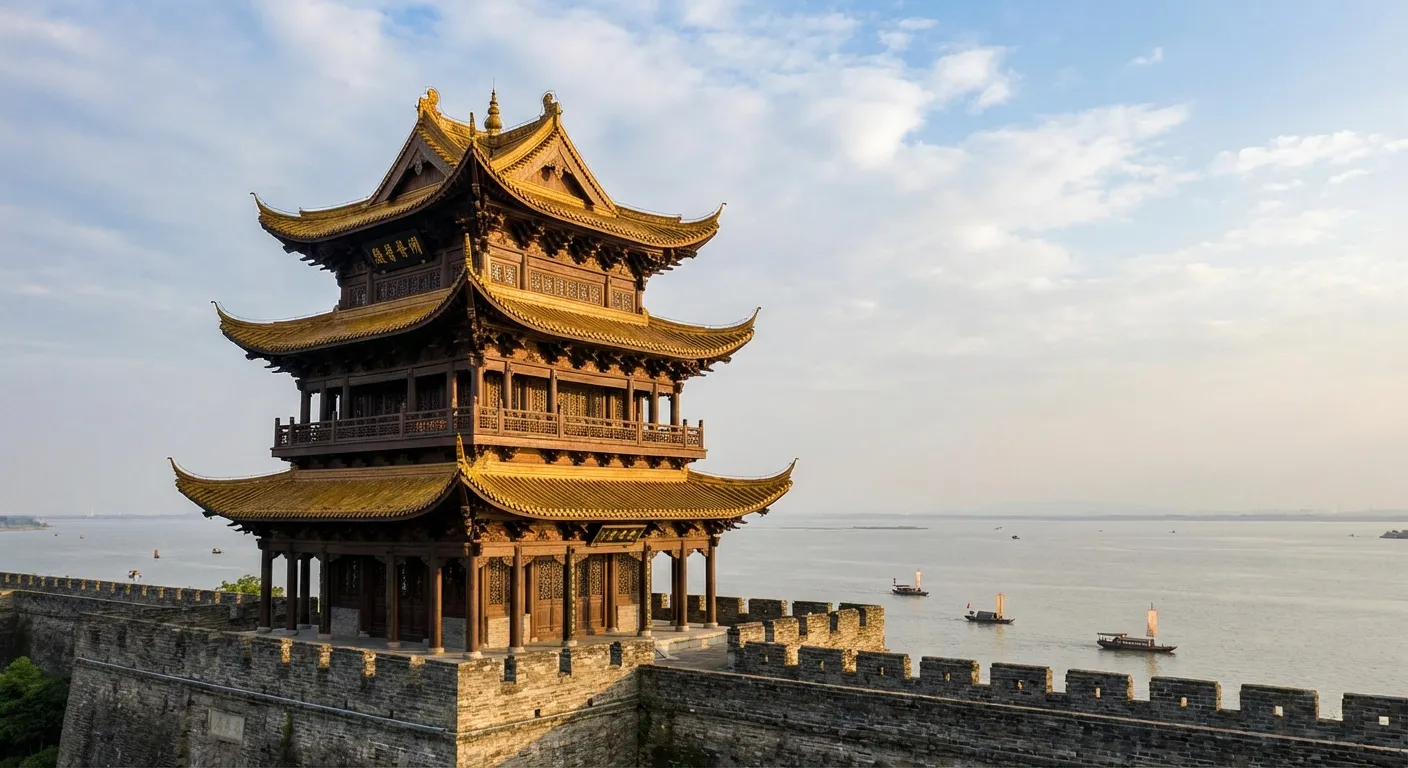
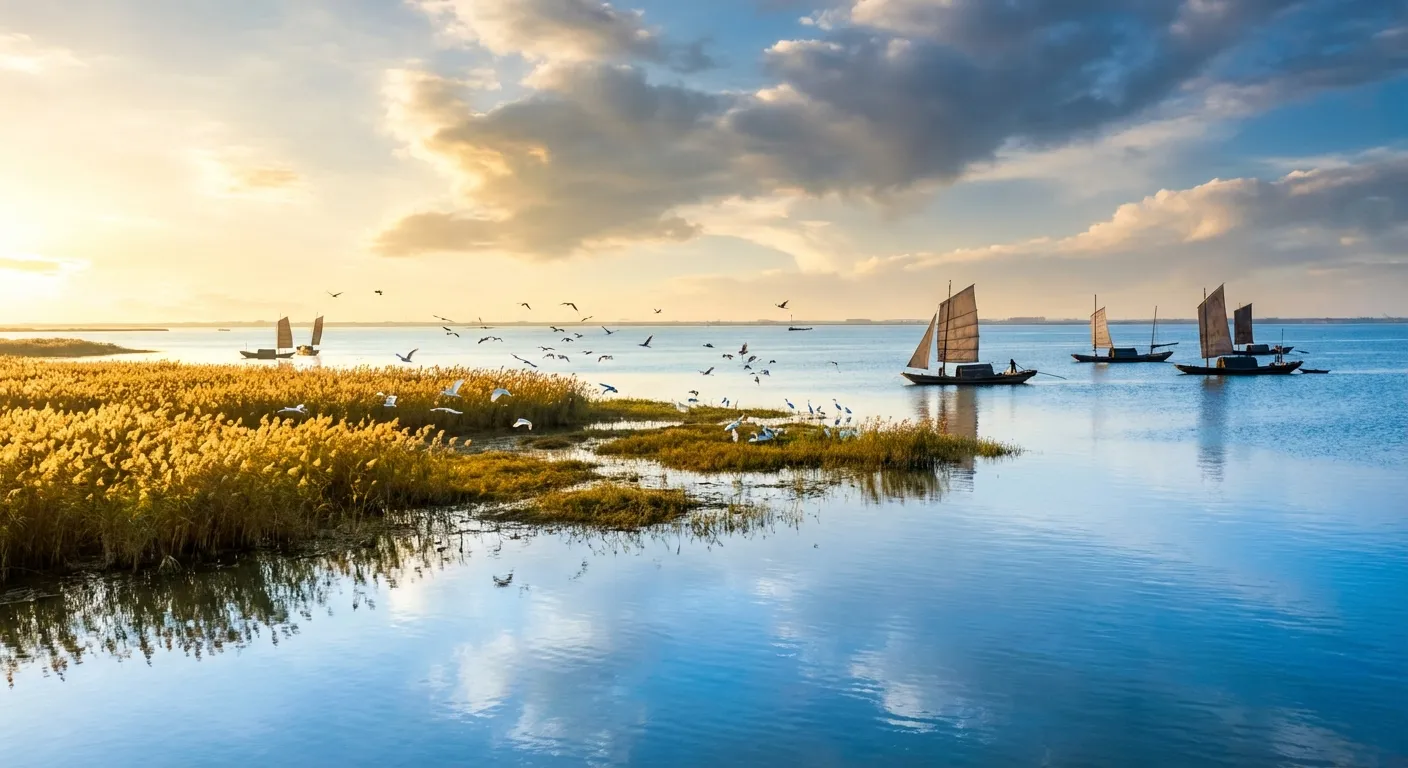
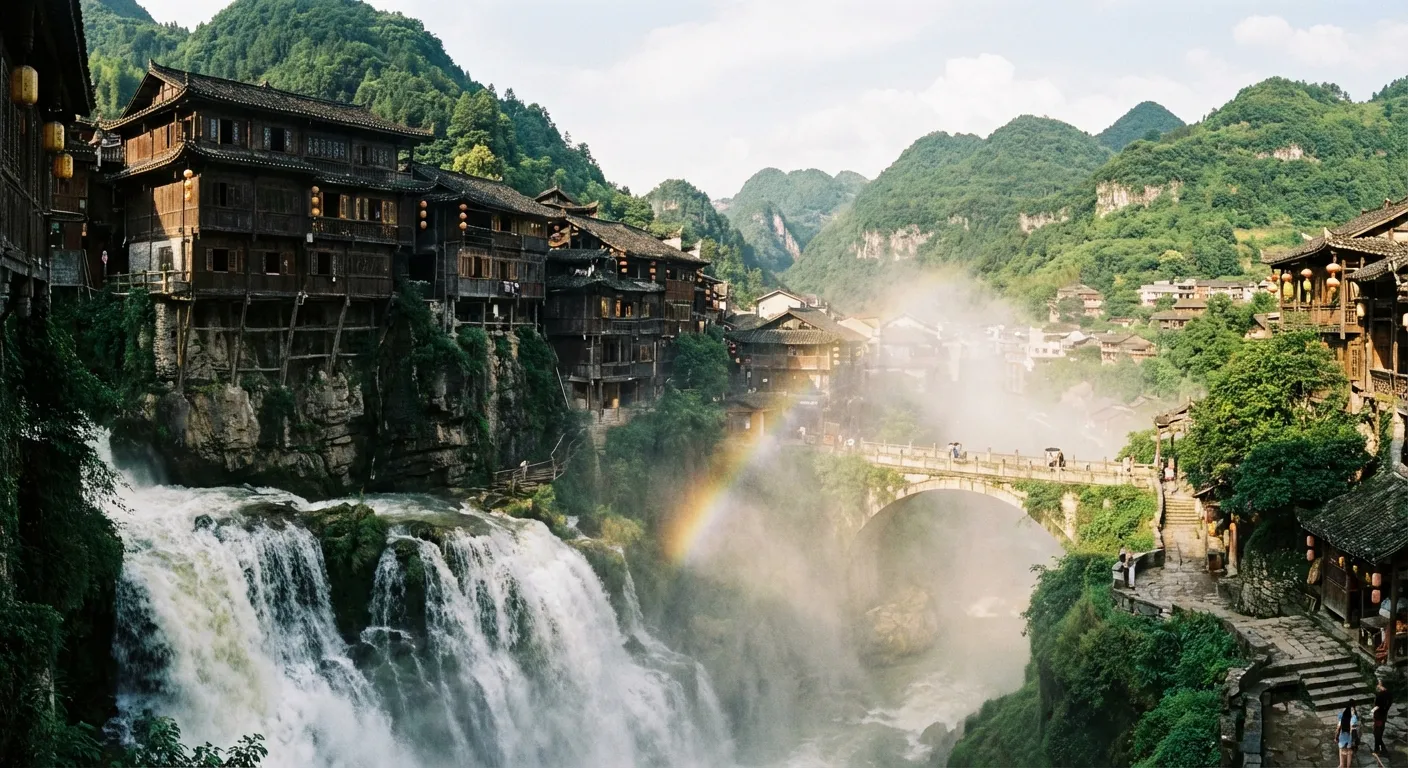
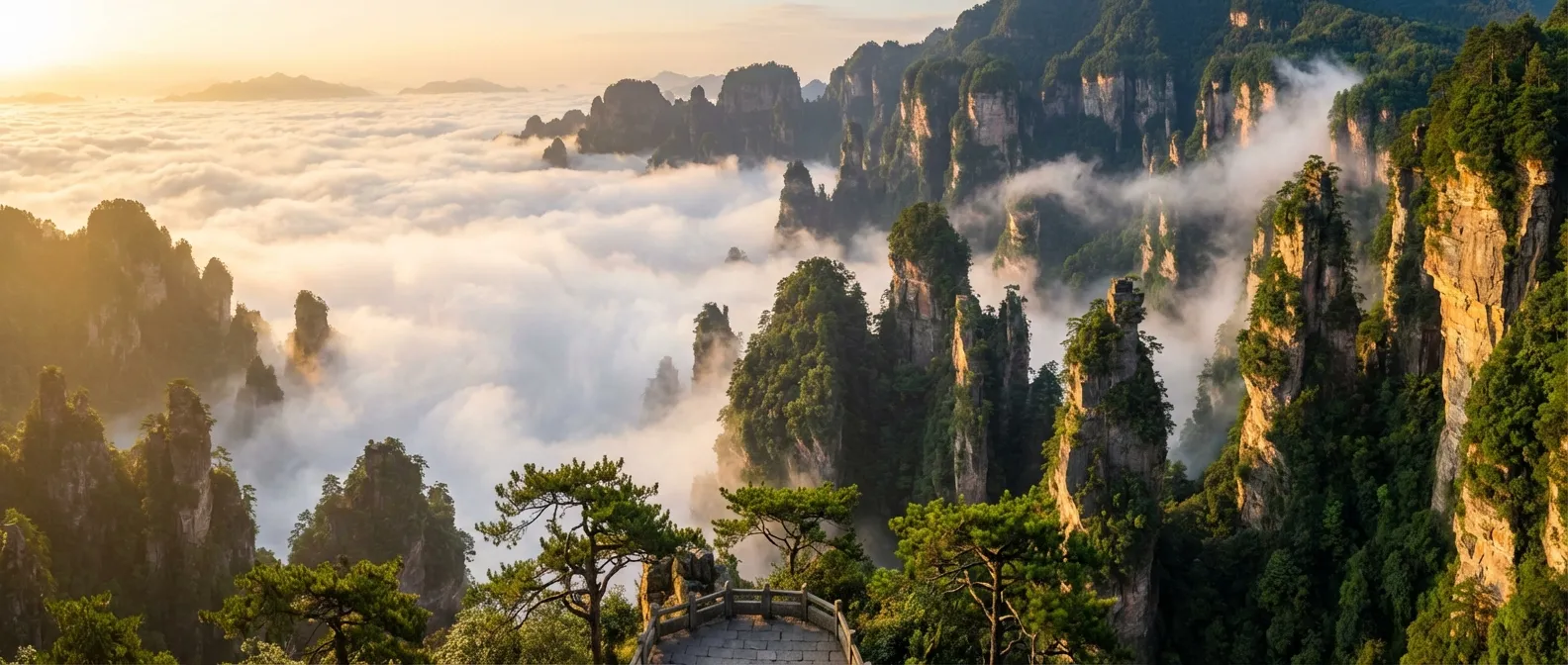
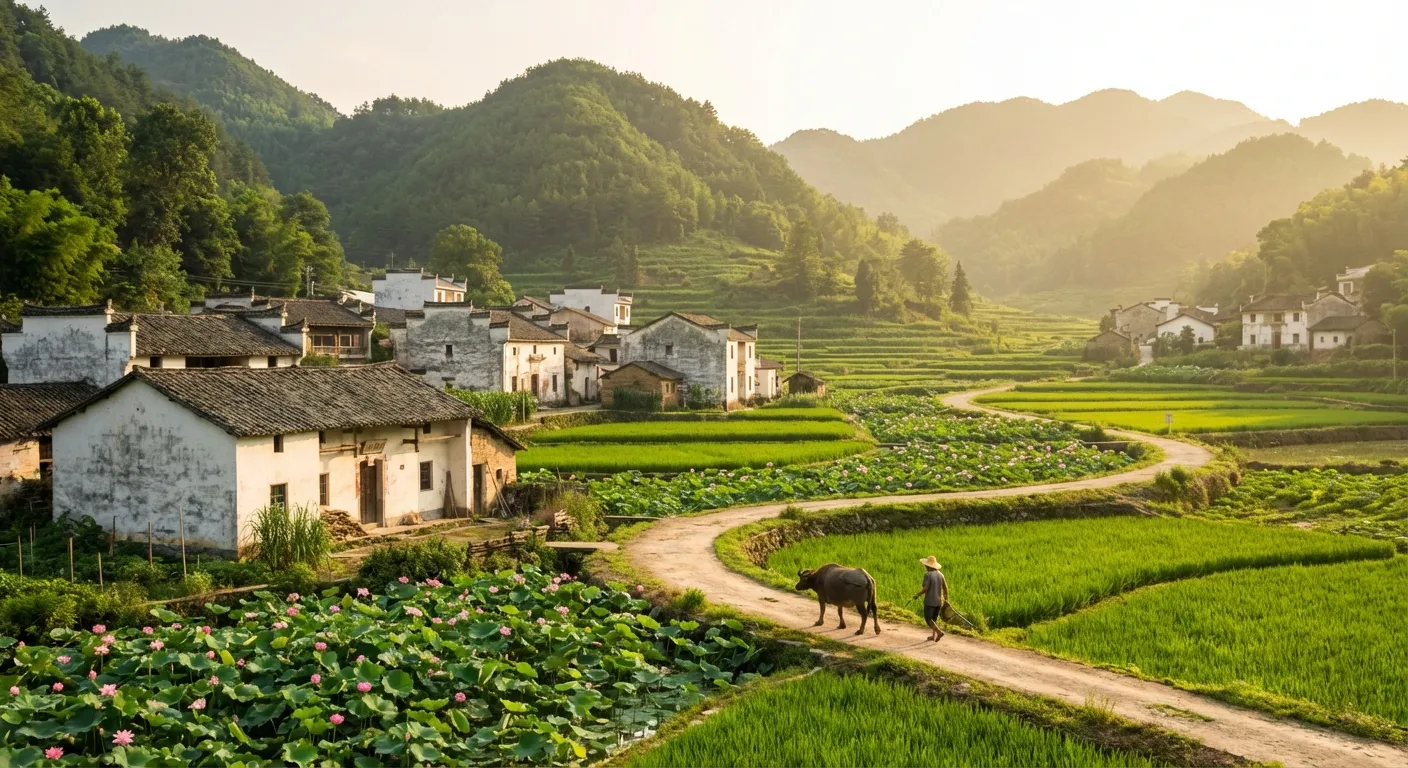
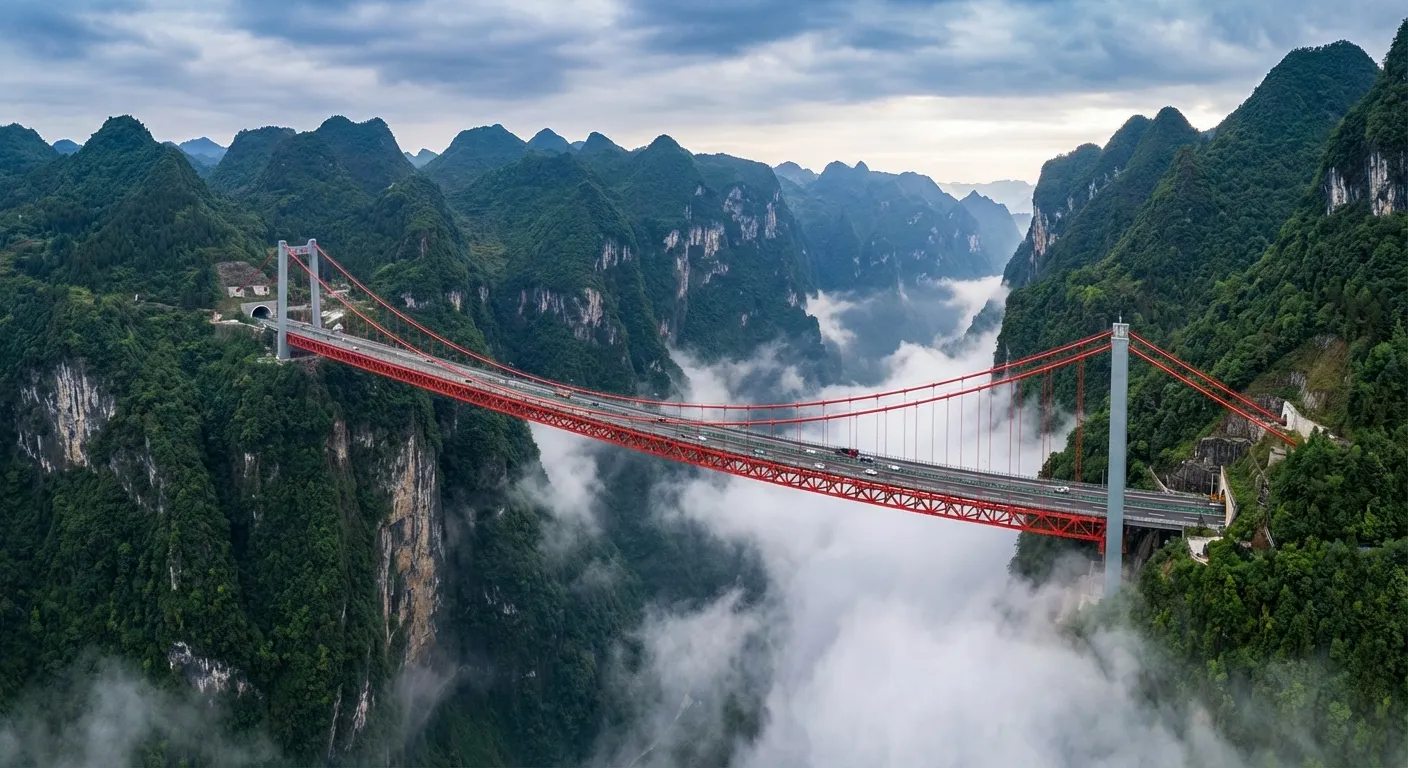
Hunan, located in south-central China, takes its name from its position south of Dongting Lake. It is a legendary land where extraordinary mountains, mysterious folk customs, and fiery cuisine converge. Zhangjiajie National Forest Park astounds the world with its unparalleled quartz sandstone pillar formations — over three thousand uniquely shaped sandstone columns rise from the earth, towering into the clouds, shrouded in mist like a fairyland. This is the very place that inspired the floating Hallelujah Mountains of Pandora in the Hollywood blockbuster Avatar, and it has been designated a UNESCO World Natural Heritage Site. The glass skywalk on Tianmen Mountain hangs along cliffs a thousand meters high, while the Tianmen Cave — a natural gateway to the heavens — sets hearts racing with awe. Following the winding You River southward, the ancient town of Fenghuang in western Hunan rests quietly along the banks of the Tuo River, where stilted houses are reflected in emerald waters, Miao silver ornaments jingle softly, and the frontier charm depicted in Shen Congwen's novel Border Town remains as vivid as ever. In Furong Town, a waterfall cascades right through the heart of the settlement, while the Tujia people's hand-waving dance and the legendary corpse-driving tradition cloak western Hunan in an air of mystery. The provincial capital Changsha is a vibrant modern metropolis — at the foot of Yuelu Mountain, scholarly traditions have endured for a millennium; at the head of Orange Island, the youthful ambitions of Mao Zedong still stir the soul. Yet it is the lively street life of Taiping Old Street and Pozi Street that gives Changsha its most captivating character — the aroma of stinky tofu wafts through the alleys, chopped chili fish head delivers an irresistible kick, Liberation West Road pulses with late-night crowds, and long queues form outside Cha Yan Yue Se tea shops. This is China's most vibrant "internet-famous city." Heading north to Yueyang, Fan Zhongyan's timeless prose has made Yueyang Tower famous throughout the ages, while the vast expanse of Dongting Lake stretches endlessly under misty skies as migratory birds dance gracefully overhead. Mount Heng, one of China's Five Sacred Mountains, offers breathtaking cloud seas and sunrises from Zhurong Peak, accompanied by the lingering chants from ancient temples. Whether you are a film buff seeking the Avatar wonderland, a foodie craving fiery cuisine, or an adventurer drawn to the mysterious culture of western Hunan, this province will welcome you with the warmest sincerity, presenting a China that is bold, passionate, and endlessly fascinating.
Hunan is one of China's most diverse travel destinations. From the world-class natural wonders of Zhangjiajie to the cultural charm of Fenghuang Ancient Town, from Changsha's food and nightlife scene to Yueyang's lakeside tower views, every stop deserves your full attention. For first-time visitors, a 5–7 day itinerary covering the classic Zhangjiajie + Fenghuang route is recommended. With more time, extend to Changsha for its food culture, plus Yueyang and Mount Heng. The best travel seasons are April–June and September–November, avoiding the intense summer heat and damp winter cold. Zhangjiajie's scenic area is vast with packed itineraries, so allow at least 2–3 full days. Fenghuang Ancient Town is best enjoyed at a leisurely pace — staying one night at a riverside inn to experience the night views and morning mist is ideal. Allocate at least 1–2 days for Changsha, where the nightlife and food scene are the true highlights.
Traveler Reviews
Travel Highlights
Top Attractions
Local Cuisine
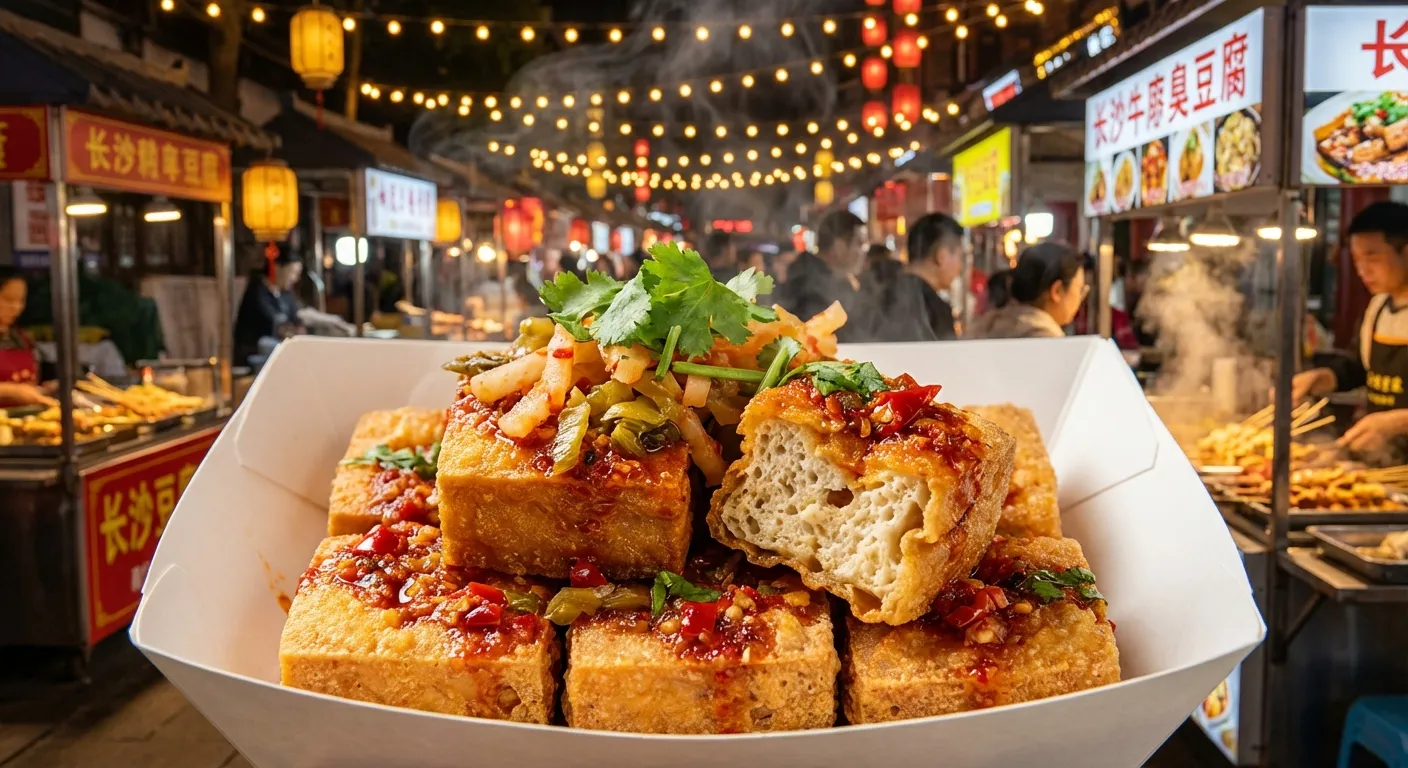
Changsha Stinky Tofu
Changsha's most iconic street snack — charcoal-black on the outside, snow-white on the inside. Soaked in a special brine and deep-fried until crispy on the outside and tender within, then topped with a secret chili sauce, minced garlic, and cilantro. One bite delivers a crispy, spicy, and savory explosion. The contradictory experience of 'smells awful, tastes amazing' has converted countless foreign visitors from hesitation to addiction. The stinky tofu at Huogongdian has been a century-old tradition — Mao Zedong himself once tasted it and wrote 'Huogongdian's stinky tofu is still delicious.'
📍 Huogongdian on Pozi Street, Changsha (century-old establishment); Taiping Old Street; Hei Se Jing Dian (chain brand with excellent reputation)
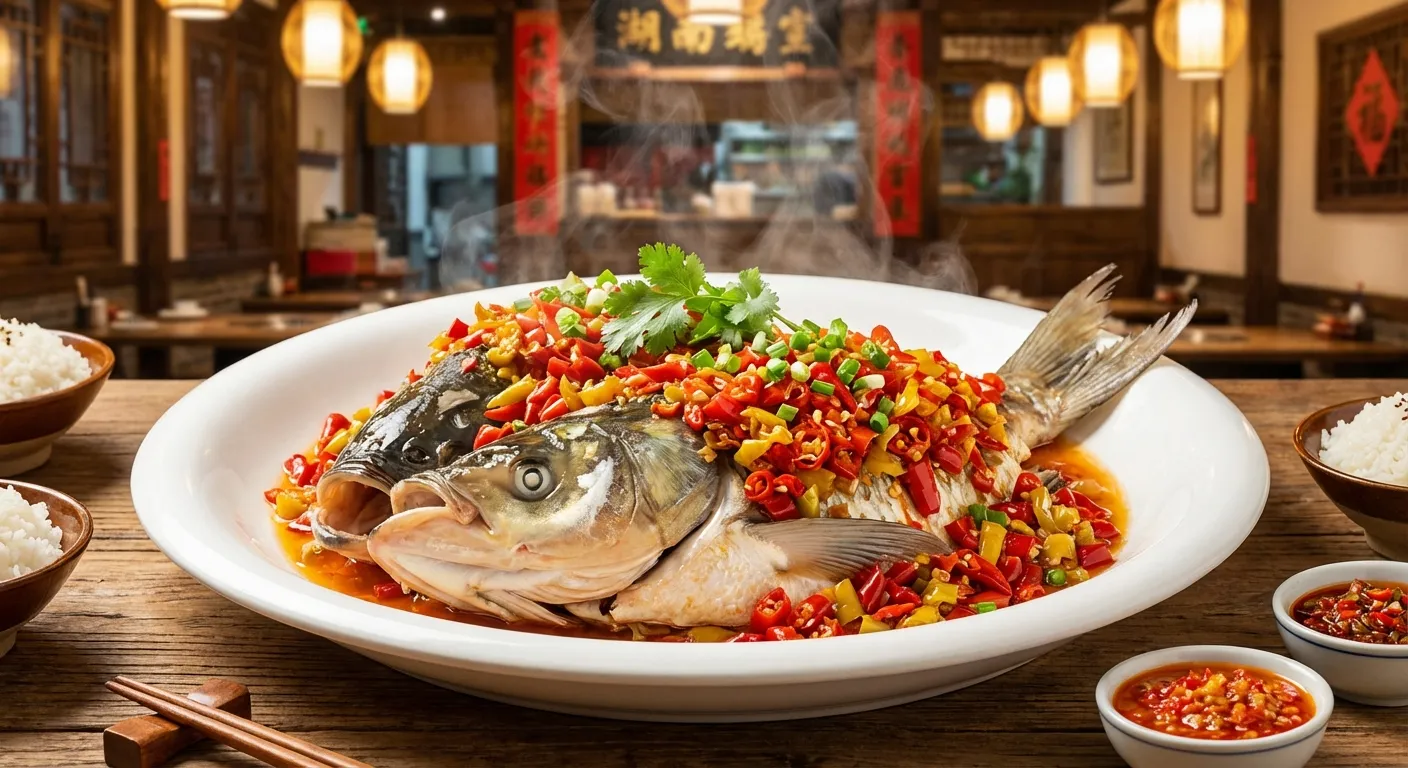
Chopped Chili Fish Head
The crowning glory of Hunan cuisine. A plump bighead carp head is covered with a generous layer of bright red chopped chilies, garlic, fermented black beans, and perilla, then steamed over high heat. The fish head is tender and juicy, the chopped chilies are tangy and appetite-whetting, and the chili oil permeates every fiber of the fish — the fusion of fresh and spicy flavors is utterly irresistible. Served with red chilies blanketing the fish head, the dish symbolizes 'good fortune ahead' (a play on the Chinese word for 'head'), making it the showstopper at Hunan banquets.
📍 Fei Da Chu Chili Stir-Fried Pork in Changsha (famous for pork but the fish head is also superb); Hunan restaurants around Pozi Street; Xu Ji Seafood (chain brand)
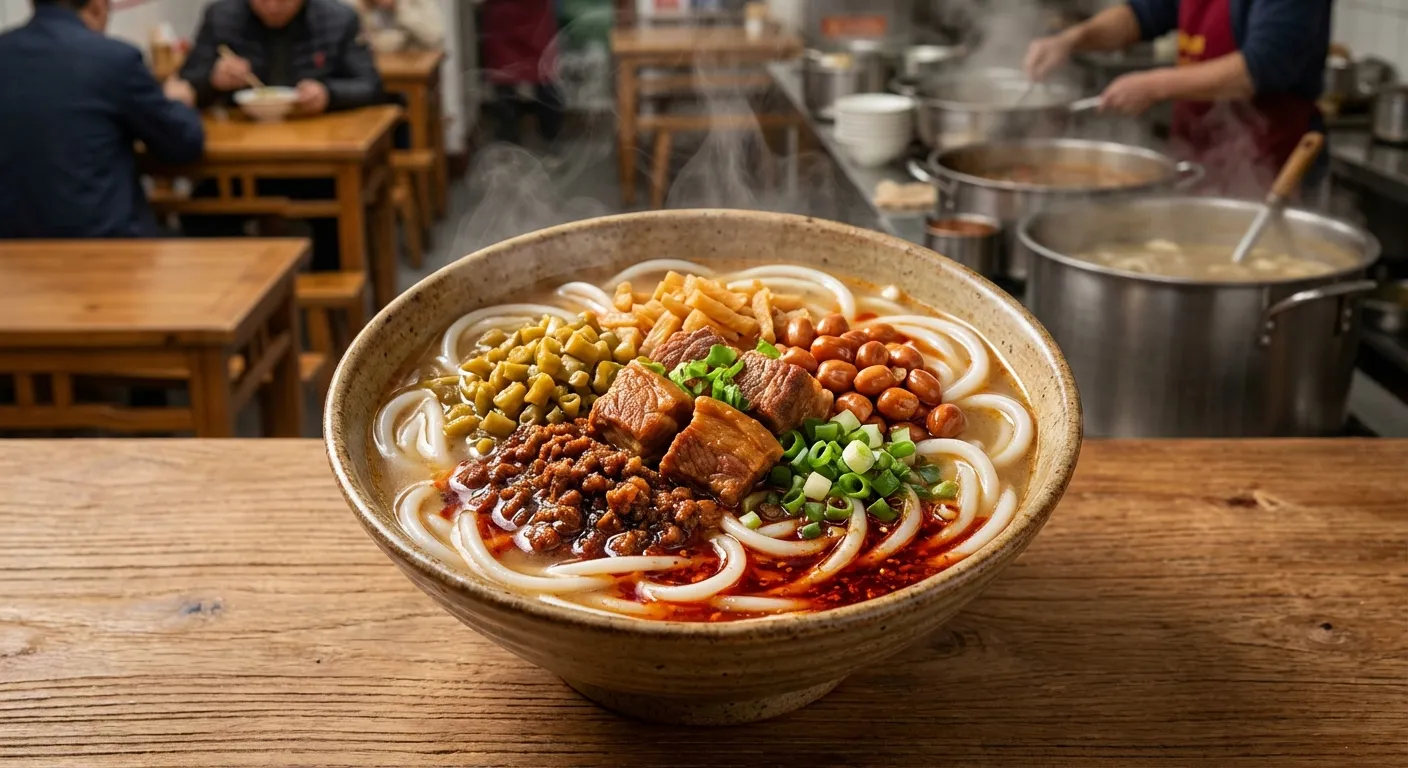
Changsha Rice Noodles
The soul of a Changsha breakfast, standing alongside Guilin rice noodles and Yunnan rice vermicelli as one of China's three great rice noodle traditions. Changsha rice noodles are primarily round, with a smooth and springy texture. The most classic preparations are 'shredded pork noodles' and 'hot and sour noodles.' A steaming bowl of rice noodles topped with slow-braised pork trotters or beef, a spoonful of pickled green beans and chopped chilies, and a ladle of rich bone broth creates layers of fresh, spicy, sour, and savory flavors. Locals take pride in 'slurping' their noodles — the loud sound of sucking in the noodles is considered the highest compliment to the dish.
📍 Neighborhood noodle shops throughout Changsha (the nameless ones are often the most authentic); Zhou Ji Noodle Shop; Gongjiao Xincun Noodle Shop; Yang Yuxing Noodle House
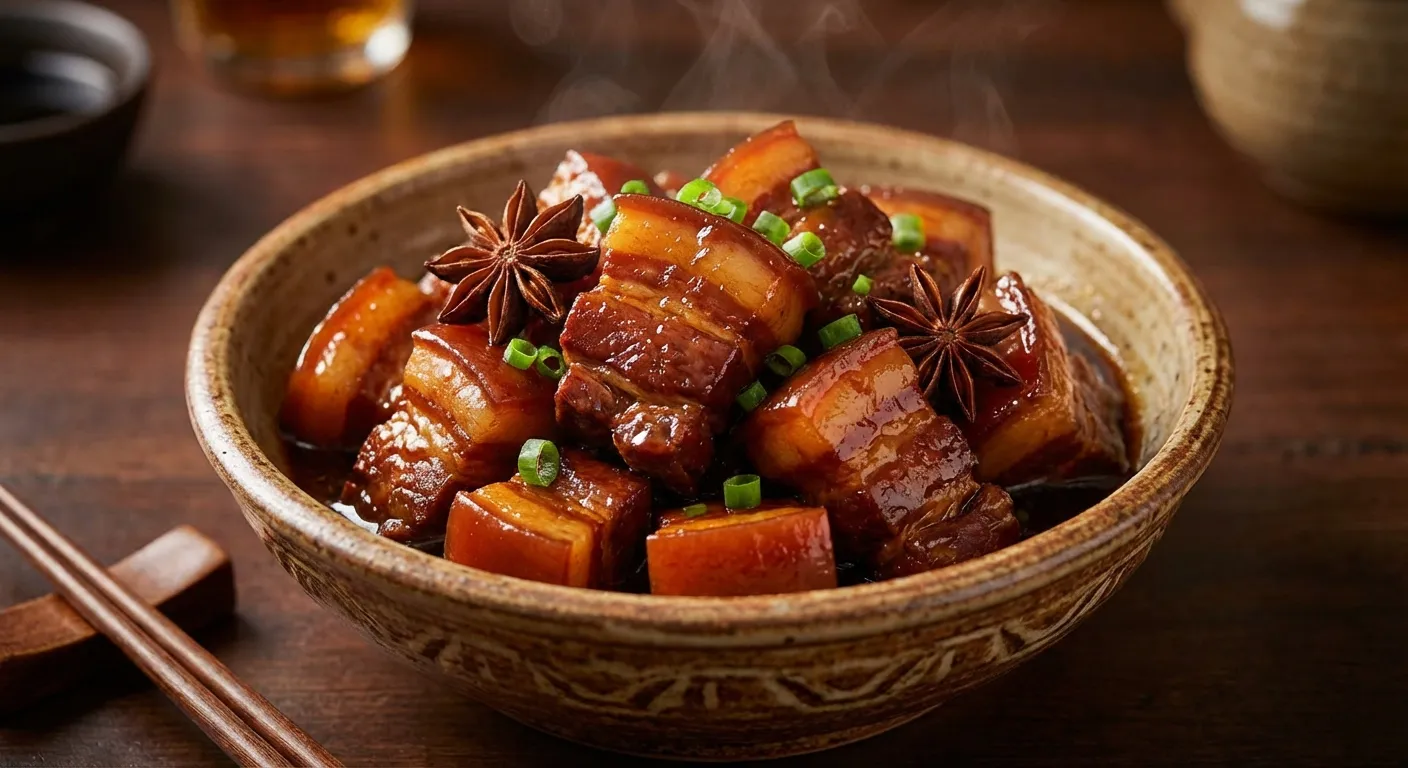
Mao's Braised Pork
Named after Mao Zedong's favorite hometown dish, this is one of the most classic meat dishes in Hunan cuisine. Premium skin-on pork belly is cut into mahjong-tile-sized cubes, first caramelized with sugar until glossy red, then slow-braised with star anise, cinnamon, dried chilies, and other spices until meltingly tender. The finished dish gleams like amber — the meat is soft and succulent without being greasy, melting on the tongue with a sweet-savory flavor and a subtle hint of spice. Remarkably, not a single drop of soy sauce is used; the rich color comes entirely from caramelized rock sugar and the meat's own juices, embodying Hunan cuisine's philosophy of 'original flavors, authentic taste.'
📍 Huogongdian in Changsha; Mao's Family Restaurant in Shaoshan (next to Mao's Former Residence — the most authentic); Mao's Family Restaurant Changsha branches
Where to Stay
Zhangjiajie City / Wulingyuan
Zhangjiajie city center is close to the Tianmen Mountain Cableway station and the railway station, ideal for the first and last nights. Wulingyuan Town is right next to the National Forest Park entrance, making it the most convenient base for exploring the Zhangjiajie scenic area, with plenty of dining and shopping options.
Fenghuang Ancient Town
Riverside inns along the Tuo River are the best choice — open your window to stilted houses and emerald waters, with enchanting night views. Everything in the ancient town is within walking distance, though peak-season nights can be noisy. Those who prefer quiet can stay on the outskirts.
Changsha City Center
The Wuyi Square / Taiping Old Street area is the hub for food and nightlife, with convenient transport and a mature commercial district. The Yuelu District is near Yuelu Mountain and the university town, with a youthful, artsy vibe. Hotels near the HSR station are good for overnight transit.
Yueyang City Center
Staying near Yueyang Tower is convenient for visiting Dongting Lake and Junshan Island, with lake views available. The city offers a good range of hotels and works well as a stopover between Changsha and Zhangjiajie.
Getting Around
How to Get There
💡 Changsha Huanghua Airport is Hunan's largest international airport with numerous domestic and international direct flights. Zhangjiajie Hehua Airport has direct flights from major Chinese cities. The HSR network is well-developed — Changsha South Station connects to the entire country, and Zhangjiajie West Station now has high-speed rail service. Tongren Fenghuang Airport is only 30 minutes from Fenghuang Ancient Town, making it the most convenient air gateway to Fenghuang
Local Transport
🚇 Metro: Changsha has a metro system (Lines 1–6) covering major attractions and transport hubs; Zhangjiajie and Fenghuang have no metro
🚌 Bus: All cities have comprehensive bus systems. Free shuttle buses operate within the Zhangjiajie scenic area, and regular buses connect Wulingyuan to the various park entrances
🚕 Taxi: Changsha base fare is ¥8; using the Didi ride-hailing app is recommended. Taxis are readily available in Zhangjiajie city; for scenic areas, consider chartering a car or sharing rides
💡 There is currently no direct HSR between Zhangjiajie and Fenghuang — the bus takes about 4 hours. Changsha to Zhangjiajie by HSR is about 3 hours. Changsha to Yueyang by HSR is about 30 minutes. Fenghuang Ancient Town is pedestrian-only with no motor vehicles allowed inside. Download Gaode Maps or Baidu Maps for navigation
Budget Guide
Budget
¥250–400/day
Accommodation: Hostels ¥50–80, guesthouses ¥80–150
Dining: ¥50–100
Transport: ¥50–80
Mid-Range
¥500–900/day
Accommodation: Boutique hotels / themed B&Bs ¥250–500
Dining: ¥120–250
Transport: ¥80–200
Luxury
¥1,500+/day
Accommodation: High-end resort hotels / river-view suites ¥800+
Dining: ¥300+
Transport: Private car ¥400–600
Practical Info
Payment
WeChat Pay and Alipay are widely accepted in Changsha, Zhangjiajie, Fenghuang, and major scenic areas. Some small shops on Zhangjiajie mountaintops and occasional small vendors in Fenghuang Ancient Town may require cash
Language
Mandarin is spoken everywhere; locals also speak Hunan dialect (Xiang). Young people in Changsha can generally communicate in basic English. Major scenic areas in Zhangjiajie and Fenghuang have English signage, but remote Miao villages may require a translation app
Safety
Public safety is good and the tourism environment is mature and secure. Watch for slippery paths on Zhangjiajie mountain trails and follow skywalk safety rules. Keep valuables secure in Fenghuang Ancient Town at night. In summer, guard against heatstroke, sunburn, and mosquitoes; the mountains of western Hunan have significant day-night temperature differences, so bring a jacket
Communication
Changsha has full 4G/5G coverage. Signal can be weak in some mountaintop areas of Zhangjiajie. Fenghuang Ancient Town has good signal. Download offline maps and a translation app in advance
📊 More City Data
Population
6644M
Area
211,800 km²
Elevation
44 m
Timezone
UTC+8
Coordinates
29.1°N, 110.5°E
Founded
350 BCE
Recommended Routes
Zhangjiajie + Fenghuang Classic 5 Days (Fairyland & Ancient Town)
5 daysCovers Zhangjiajie's UNESCO World Natural Heritage site and Fenghuang Ancient Town — Hunan's two crown jewels. Ideal for first-time visitors to experience the finest scenery and western Hunan culture
Zhangjiajie + Fenghuang + Changsha In-Depth 7 Days (Mountains, Water & City)
7 daysBuilds on the classic route by adding Changsha's food culture experience, offering a deeper immersion into Hunan's natural wonders, ethnic traditions, and vibrant city life
Hunan Grand Tour 10 Days (Zhangjiajie + Fenghuang + Changsha + Yueyang + Mount Heng)
10 daysFrom Zhangjiajie's mystical peaks to Fenghuang's frontier charm, from Changsha's fiery cuisine to Yueyang's lakeside tower views, and up to sacred Mount Heng — one trip to see all of Hunan
Zhangjiajie Nature Photography 4 Days (Photographer's Special)
4 daysDesigned specifically for photography enthusiasts and nature adventurers, venturing deep into Zhangjiajie's core areas to capture the best light on cloud seas and pillar forests
FAQs
Start Planning Your Hunan Trip
Our travel advisors will craft a personalized itinerary for your worry-free Hunan journey.
Get in Touch