Tibet
Roof of the World, Sanctuary of the Soul
Suggested Days
8 days
Best Time
May, Jun, Jul, Aug, Sep, Oct
Price Level
¥¥¥
Tags
nature · culture
Rating
5.0 ⭐
Introduction
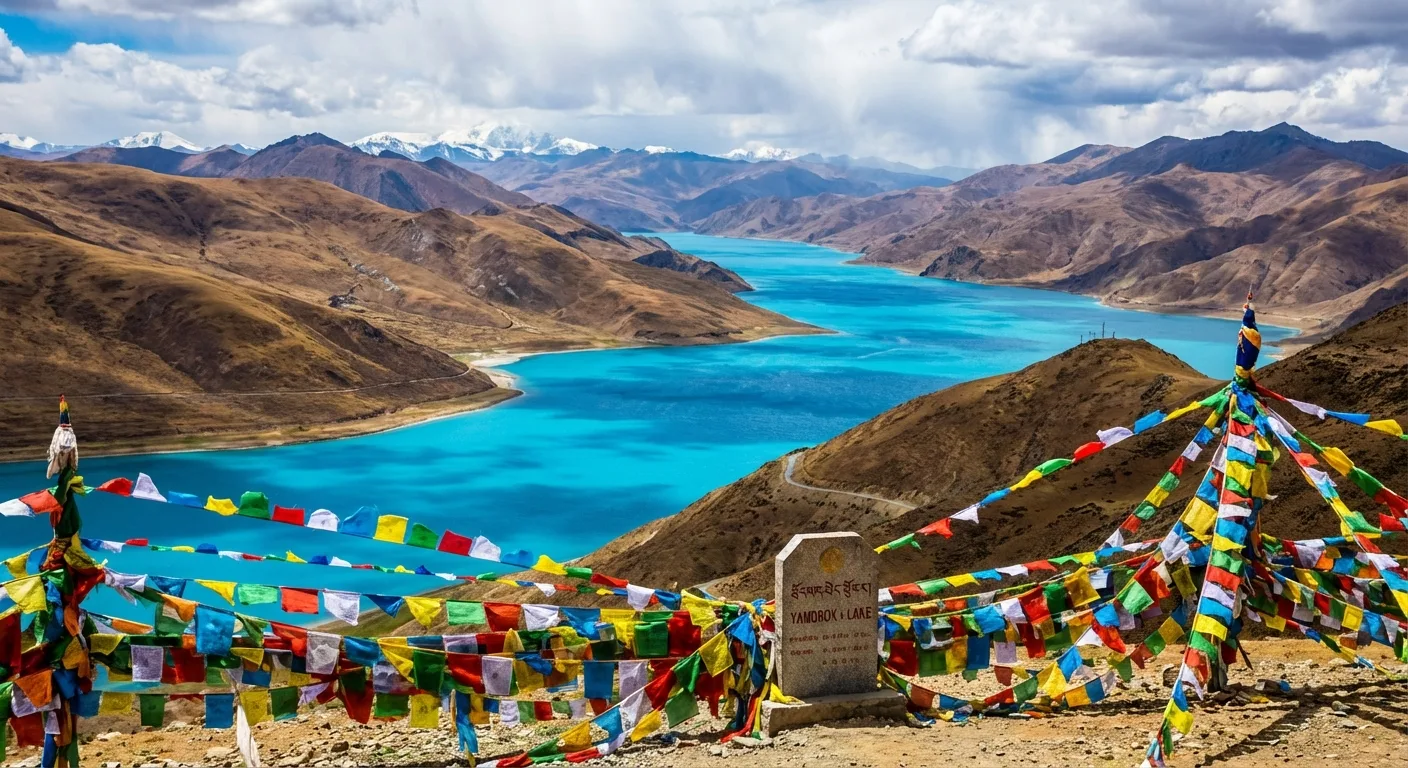
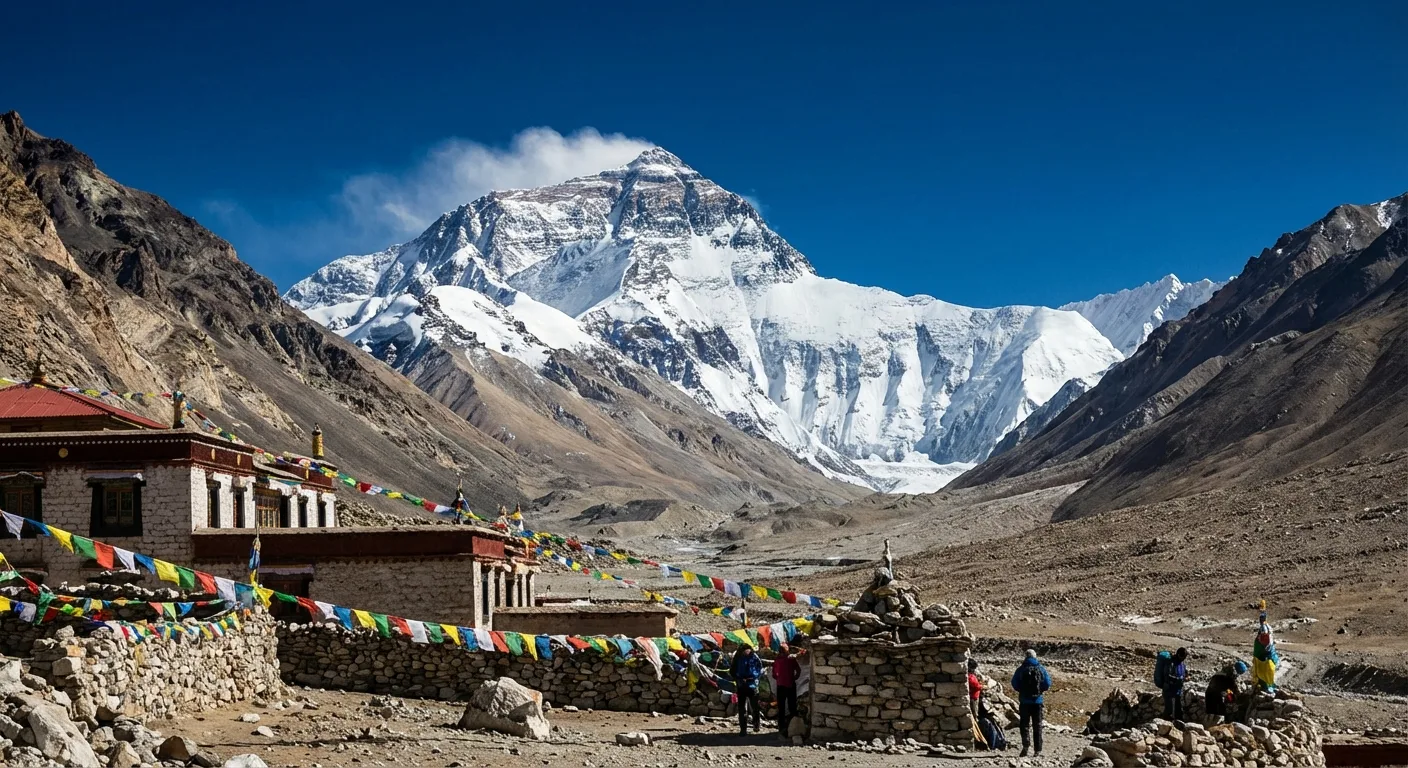
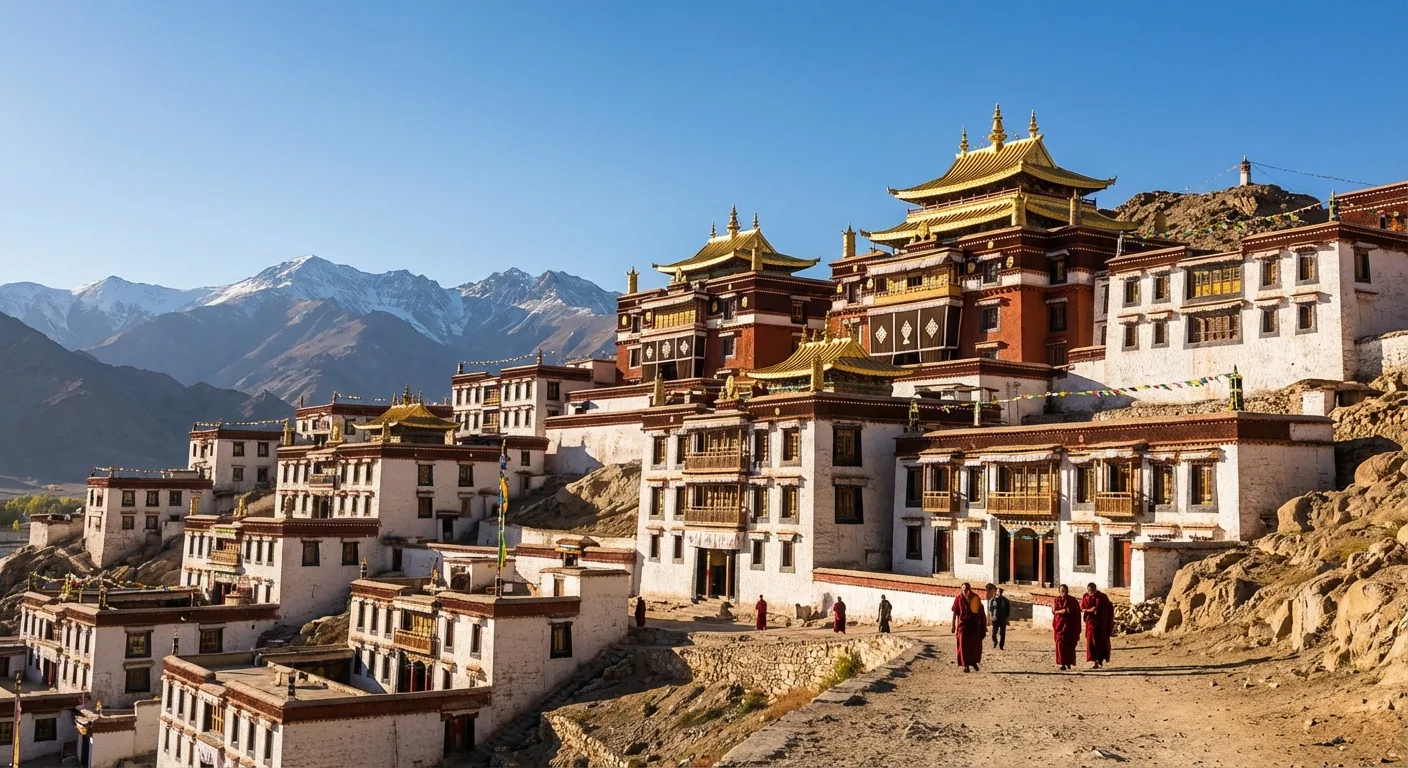
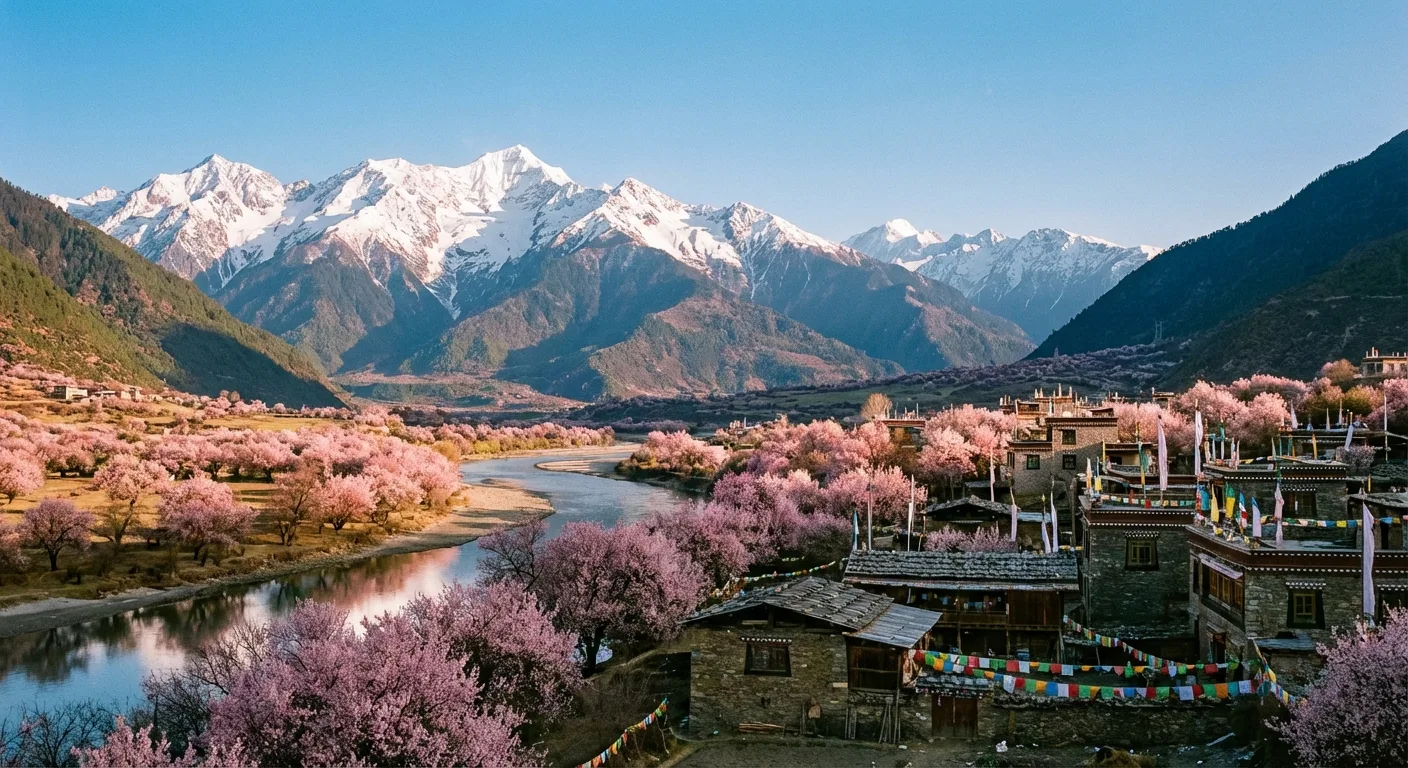
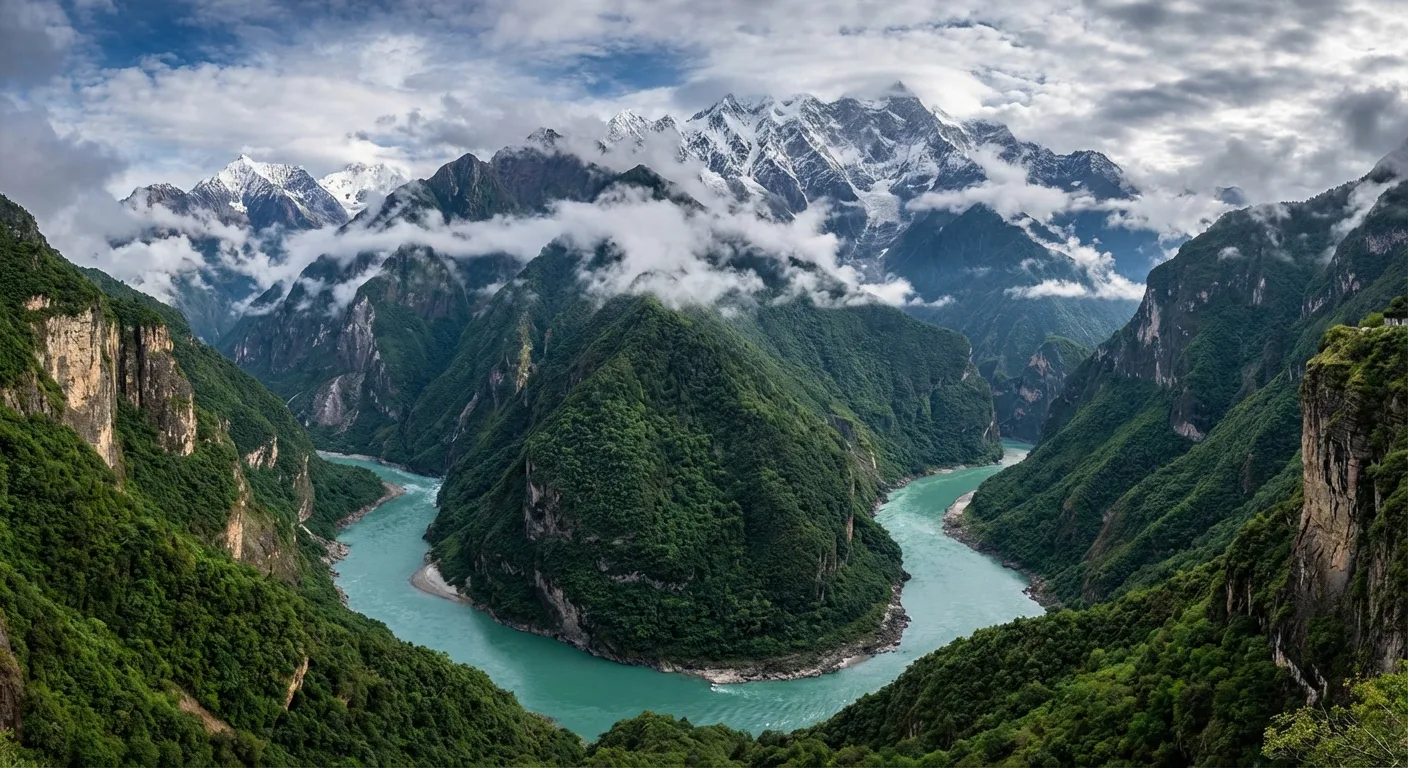
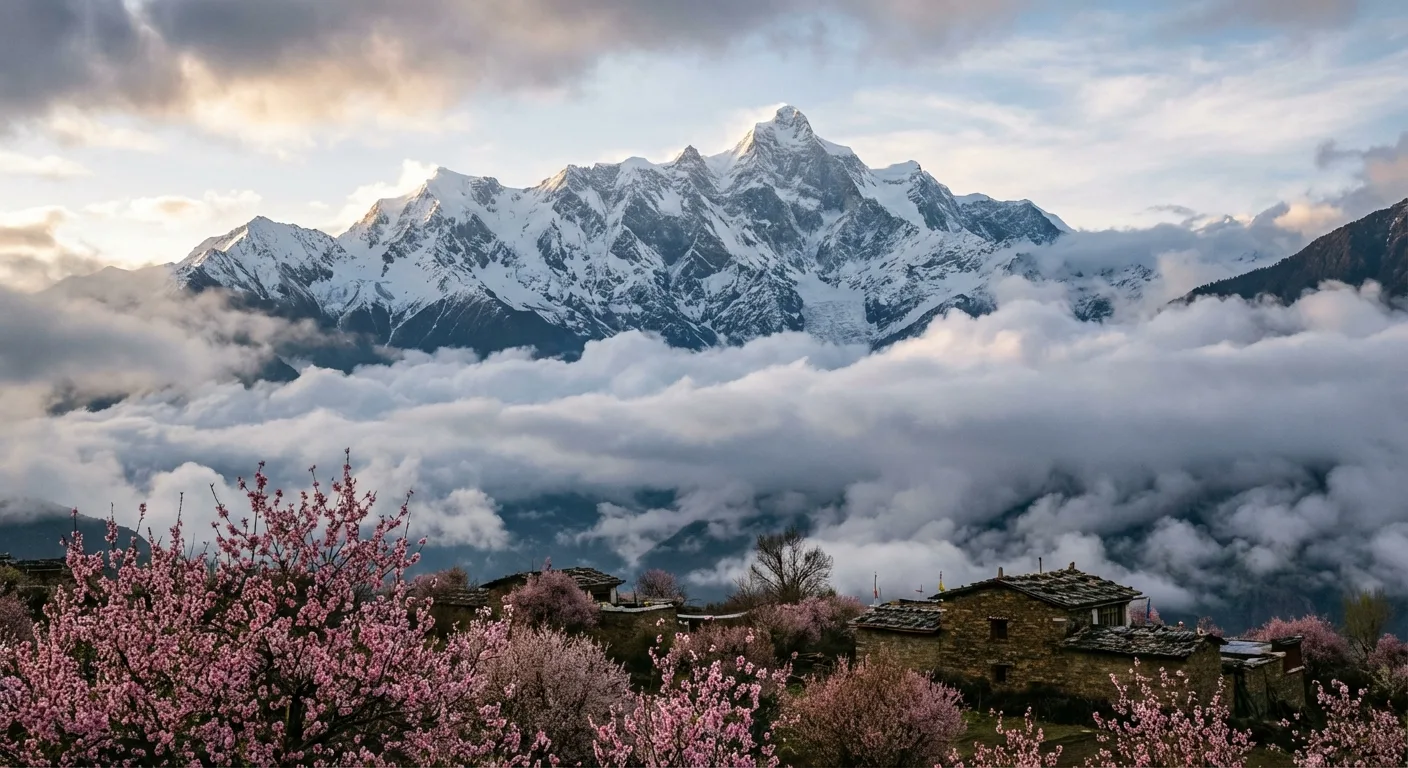
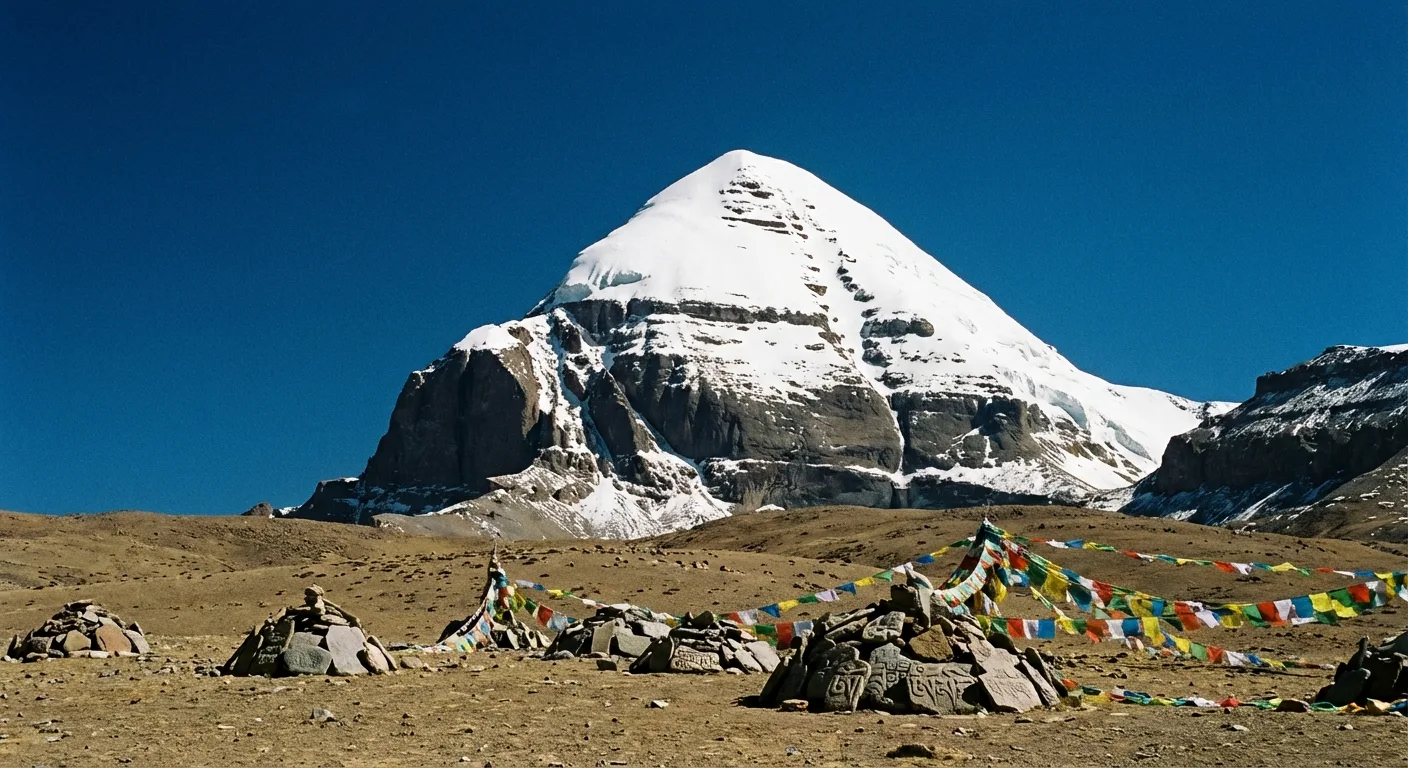
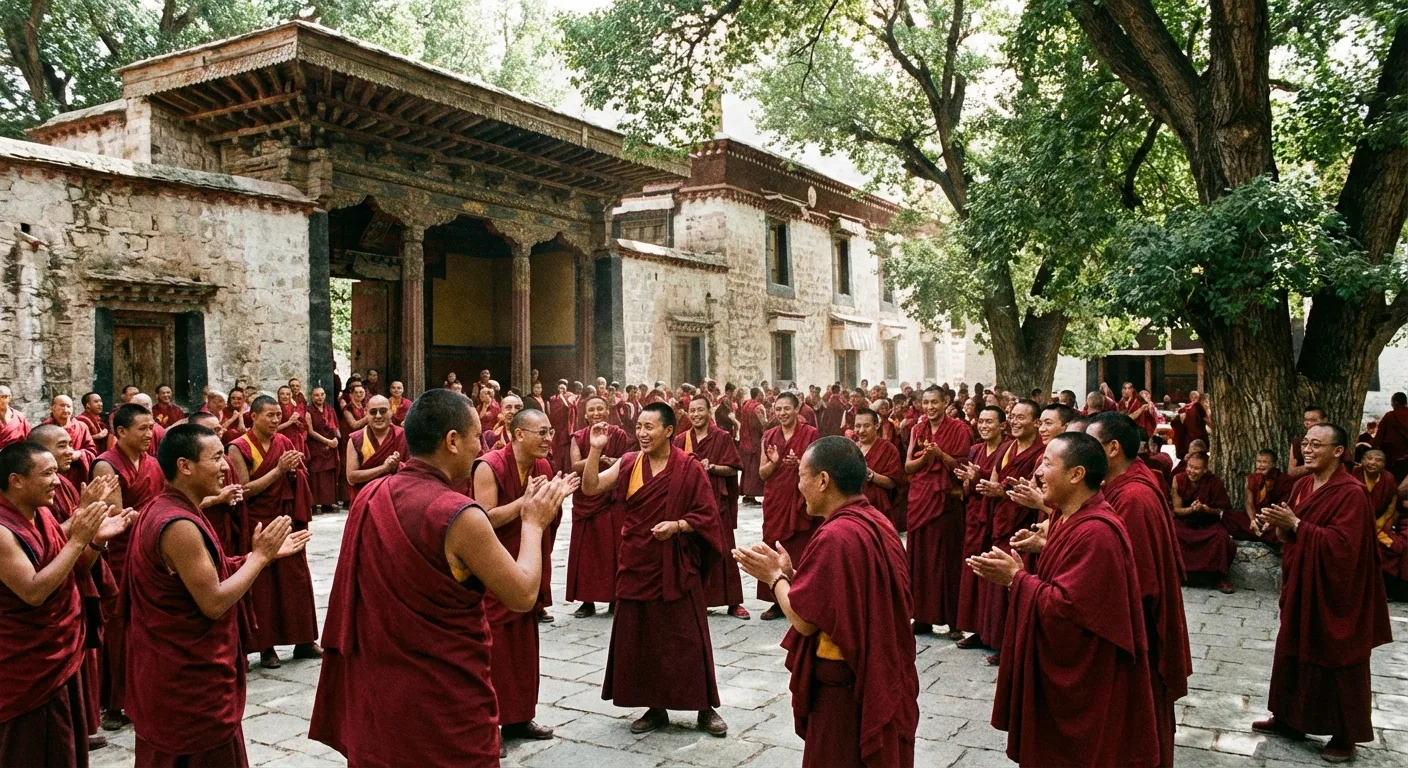
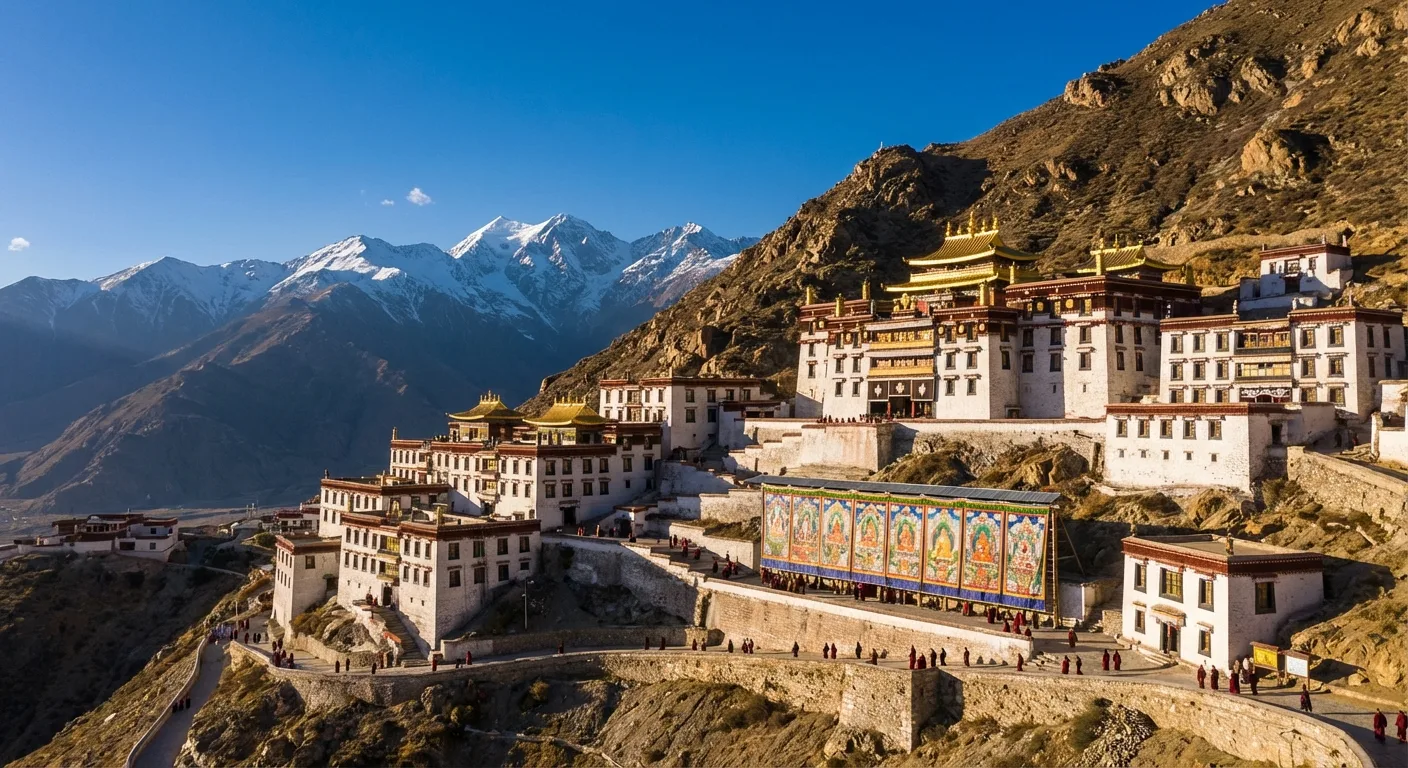
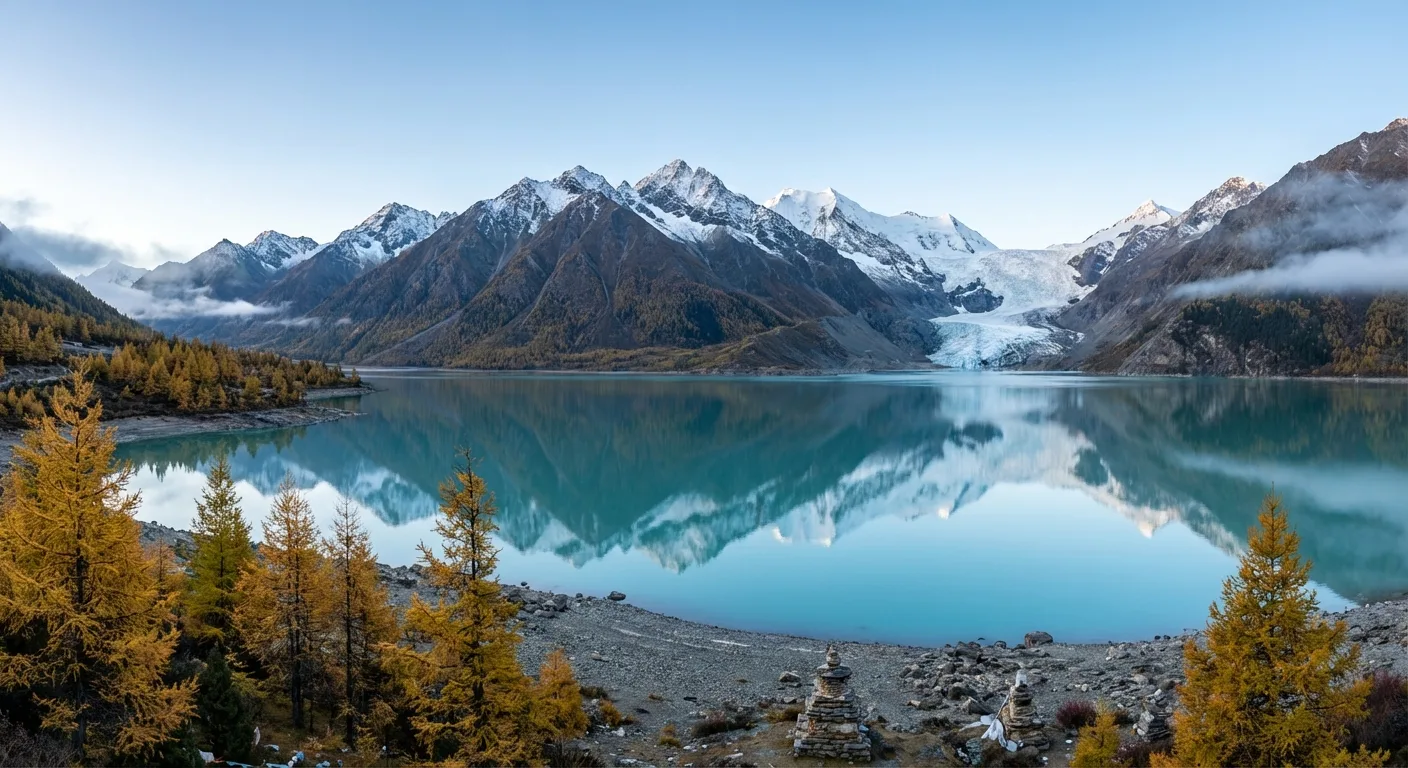
Tibet, the place on Earth closest to the sky, with an average elevation exceeding 4,000 meters, is known as the "Roof of the World" and the "Third Pole." This extraordinary plateau boasts some of the most magnificent natural landscapes on the planet — Mount Everest stands majestically at the summit of the world, Namtso Lake mirrors the sky like an immense blue looking glass, and the Yarlung Tsangpo Grand Canyon astounds with its staggering depth and length. Tibetan Buddhism has endowed this land with profound spiritual significance: the golden roofs of the Potala Palace gleam brilliantly in the sunlight, devoted pilgrims prostrate endlessly before Jokhang Temple testifying to the power of faith, and prayer wheels spin ceaselessly in reverent hands. Tibet's culture is truly one of a kind — thangka paintings are exquisitely crafted, Tibetan opera performances are passionate and spirited, and butter sculptures are masterworks of ingenuity, each art form carrying a millennium of wisdom and devotion. From Barkhor Street in Lhasa to Tashilhunpo Monastery in Shigatse, from the Peach Blossom Valley of Nyingchi to Mount Kailash in Ngari, every corner of Tibet brims with awe-inspiring power. Here the sky is a pristine blue, white clouds seem within arm's reach, and the starry night sky is so dazzling it takes your breath away. For travelers, Tibet is not merely a physical journey but a spiritual pilgrimage — on this pure plateau, time seems to slow its pace, the noise of the mundane world fades far behind, and all that remains is the most authentic tranquility and wonder between heaven and earth.
Tibet is the most unique and awe-inspiring travel destination in China, bar none. For a first visit, I recommend allocating 8–10 days and following the classic Lhasa → Shigatse → Everest route. If time allows, Nyingchi and the Ngari circuit are both extraordinary experiences. May through October is the best travel season, with June to September offering the mildest weather. Take altitude sickness seriously: start taking Rhodiola supplements a week in advance, and on your first day in Lhasa, avoid showering and strenuous exercise — give your body 1–2 days to acclimatize. Some areas require a border permit, so be sure to arrange one before departure. Despite the rigors of the journey, the awe and emotion Tibet inspires will stay with you for a lifetime.
Traveler Reviews
Travel Highlights
Top Attractions
Local Cuisine
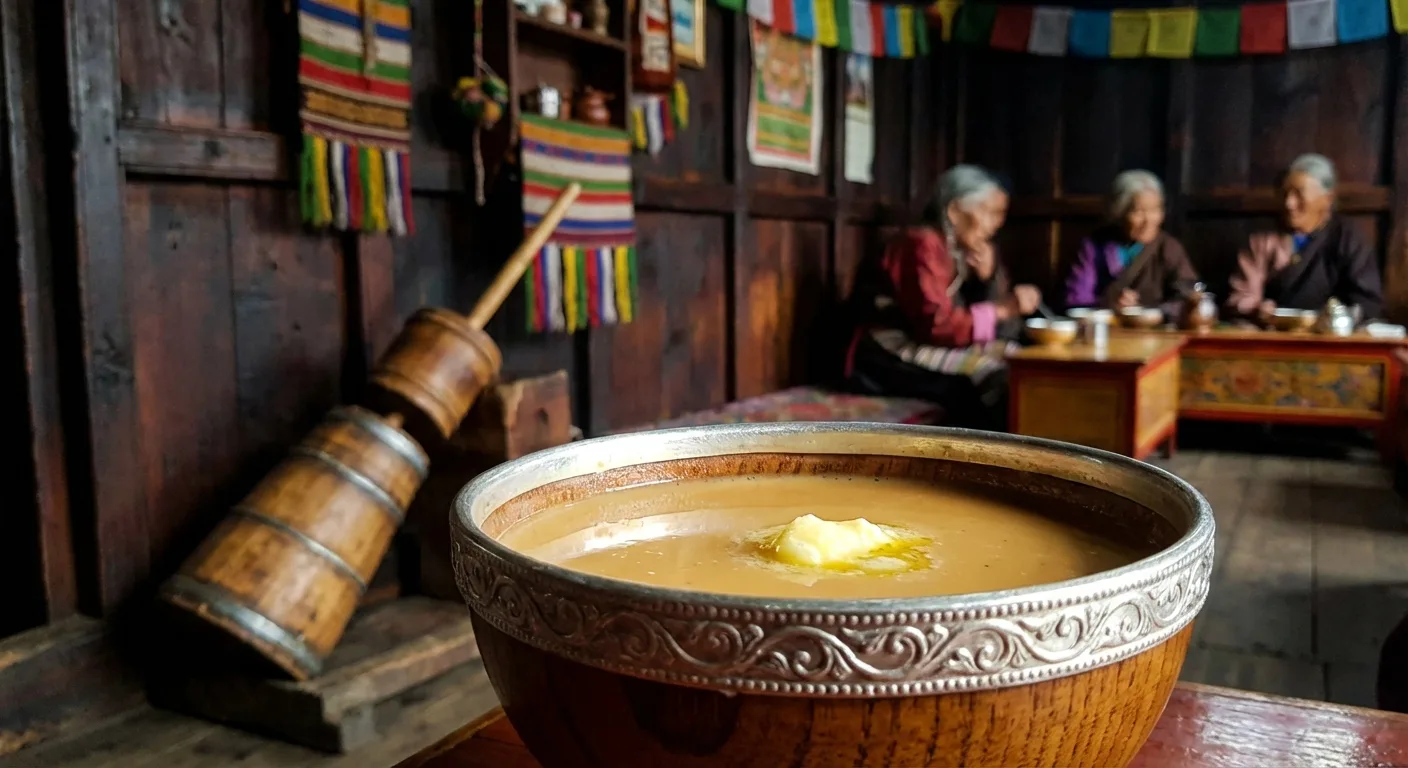
Butter Tea
An essential daily drink for Tibetan people, made by vigorously churning brick tea, yak butter, and salt in a wooden churn. Rich, salty, and extremely high in calories, it is the energy source of highland life. The taste may take some getting used to at first, but sipping a steaming bowl of butter tea in the cold, high-altitude environment sends warmth spreading from your stomach through your entire body.
📍 Any Tibetan restaurant or teahouse in Lhasa; most concentrated around Barkhor Street
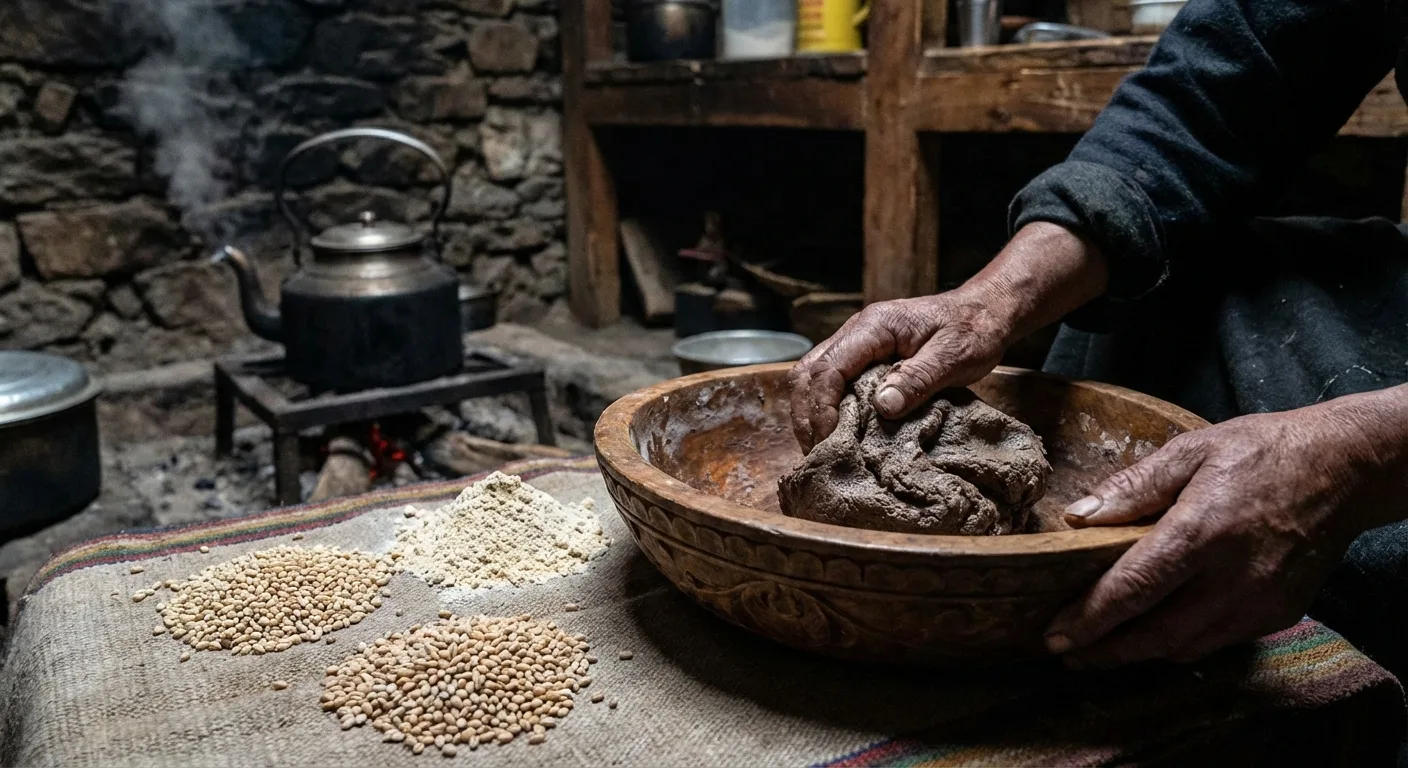
Tsampa
The traditional staple food of the Tibetan people, made from roasted barley ground into flour and mixed with butter tea into a dough before eating. Tsampa is easy to carry and packed with calories — a crystallization of thousands of years of survival wisdom among Tibetan herders. It has a simple, hearty taste with the toasted grain aroma of barley, and is a must-try element of Tibetan food culture when visiting Tibet.
📍 Tibetan restaurants throughout Lhasa; Tibetan eateries near Guangming Gang Qiong Sweet Tea House
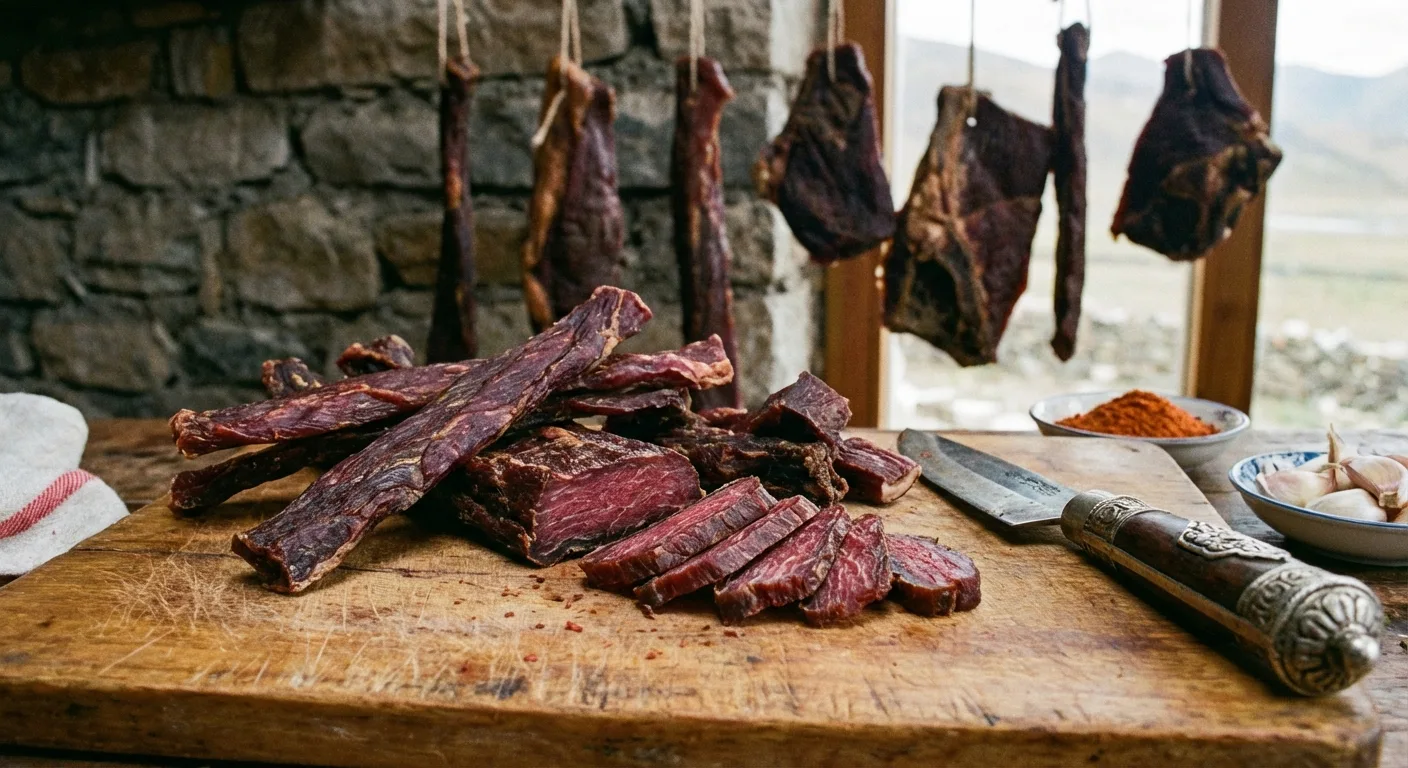
Yak Meat
A highland delicacy unique to the plateau, yaks graze on pristine grasslands above 4,000 meters, producing meat that is firm-textured, high in protein, and low in fat. Air-dried yak meat is the most classic preparation — salty, savory, and wonderfully chewy, making it the perfect highland snack and souvenir. Fresh yak meat hot pot is also a warming winter treat.
📍 Tibetan restaurants and yak meat specialty shops throughout Lhasa; around Barkhor Street
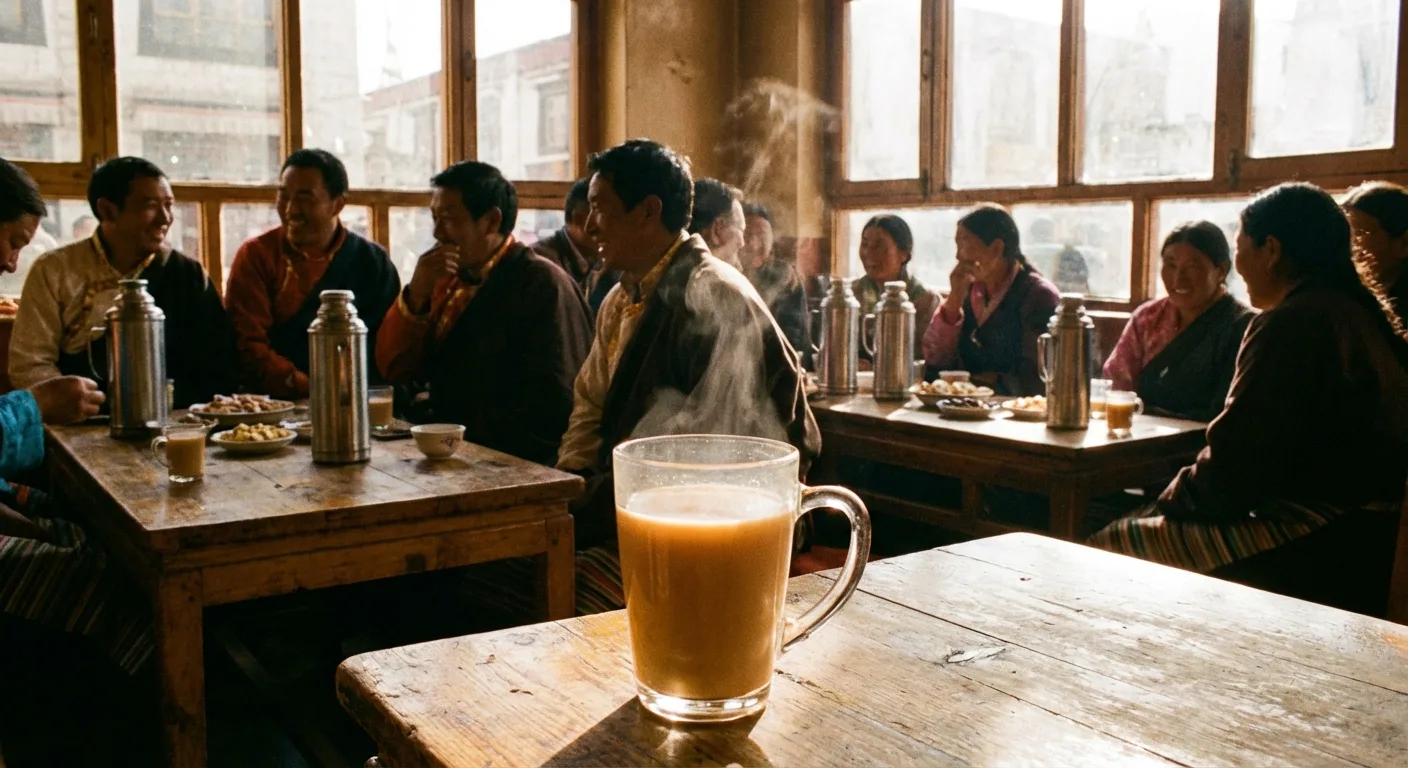
Sweet Tea
The everyday drink of Lhasa locals, brewed from black tea, milk, and sugar into a rich, sweet, mellow beverage similar to milk tea but more full-bodied. Spending an afternoon in a Lhasa sweet tea house, listening to Tibetans chat and watching the sunlight through the windows, is the best way to experience Lhasa's slow-paced lifestyle. Guangming Gang Qiong Sweet Tea House is the most famous old establishment.
📍 Guangming Gang Qiong Sweet Tea House (most famous), Canggu Temple Sweet Tea House, around Barkhor Street
Where to Stay
Lhasa Old Town (near Barkhor Street)
The most authentically Tibetan accommodation area, within walking distance of Jokhang Temple, Barkhor Street, and the Potala Palace, with a rich selection of Tibetan-style guesthouses and boutique hotels.
Lhasa Potala Palace Area
Conveniently located with diverse hotel options ranging from budget to upscale business hotels, ideal as a base for exploring Lhasa.
Nyingchi Bayi Town
The lowest-altitude city in Tibet with good accommodation standards, an ideal starting point for altitude acclimatization, with Peach Blossom Valley and the Grand Canyon nearby.
Shigatse City Center
A transit hub for trips to Everest Base Camp and the rear Tibetan region, with accommodation options mainly in the budget to mid-range category.
Getting Around
How to Get There
💡 Lhasa Gonggar Airport is Tibet's largest aviation hub, with direct flights from Beijing, Chengdu, Chongqing, Xi'an, and other cities. The Qinghai–Tibet Railway (Xining → Lhasa) takes approximately 21 hours, with spectacular scenery along the way — a unique way to enter Tibet. Since the opening of the Lhasa–Nyingchi Railway, the journey from Lhasa to Nyingchi takes only 3.5 hours
Local Transport
🚇 Metro: No cities in Tibet currently have a metro system
🚌 Bus: Lhasa city buses cover major attractions, with a fare of ¥1. Intercity bus services are limited and less flexible than private car hire
🚕 Taxi: Lhasa taxis start at ¥10, with most trips within the city costing no more than ¥30. Using the Didi ride-hailing app is recommended
💡 Distances between attractions in Tibet are vast — private car hire or joining a tour group is strongly recommended. Within Lhasa, public buses and taxis work well, but a private car is essential once you leave the city. Self-driving into Tibet requires significant experience; pay attention to high-altitude driving safety
Budget Guide
Budget
¥350–500/day
Accommodation: Hostels ¥60–120, budget guesthouses ¥150–250
Dining: ¥80–150
Transport: ¥50–150
Mid-Range
¥700–1,200/day
Accommodation: Boutique hotels / Tibetan guesthouses ¥400–800
Dining: ¥150–250
Transport: ¥200–400
Luxury
¥2,000+/day
Accommodation: High-end resort hotels ¥1,000+
Dining: ¥300+
Transport: Private car + driver ¥600–1,000
Practical Info
Payment
WeChat Pay and Alipay are widely accepted in cities like Lhasa and Nyingchi. In remote areas (Everest Base Camp, Ngari, etc.), cash is still the primary payment method — bring sufficient cash
Language
Tibetan is the main local language; Mandarin Chinese is commonly spoken in cities like Lhasa. Communication may be difficult in remote areas — downloading a translation app is recommended. Major scenic areas have English signage
Safety
Public safety is excellent. The biggest safety concern is altitude sickness: do not shower, exercise vigorously, or drink alcohol within the first 24 hours of arrival; drink plenty of water and rest. Bring altitude sickness medication (Rhodiola, Gaoyuan'an). Some areas (Everest, Ngari, Medog, etc.) require a border permit, which must be arranged in advance at your local public security bureau or through a travel agency
Communication
4G/5G coverage is good in Lhasa and Nyingchi. Signal is weak or nonexistent in remote areas (Everest Base Camp, Ngari, Ranwu Lake, etc.) — download offline maps in advance. Namtso and Everest Base Camp have intermittent mobile signal. China Mobile has the widest coverage
📊 More City Data
Population
365M
Area
1,228,400 km²
Elevation
3650 m
Timezone
UTC+8
Coordinates
29.6°N, 91.1°E
Founded
127 BCE
Recommended Routes
Lhasa Highlights 5 Days (Lhasa → Namtso → Yamdrok)
5 daysThe classic introductory route to Tibet, covering the highlights of Lhasa city and two sacred lakes — ideal for first-time visitors with limited time
Lhasa → Everest 8-Day In-Depth Route
8 daysFrom the holy city of Lhasa to the summit of the world at Everest, passing through the cultural heartland of Shigatse — experience Tibet's most awe-inspiring natural and cultural landscapes
Lhasa → Nyingchi → Everest 10-Day Grand Tour
10 daysSee the best of Tibet in one trip — from the "Jiangnan of Tibet" in Nyingchi to the summit of the world at Everest, encompassing snow mountains, canyons, sacred lakes, and monasteries
Ngari Great Northern Route 15-Day Ultimate Journey
15 daysTibet's most hardcore route, crossing the uninhabited northern Tibetan wilderness and making pilgrimages to sacred mountains and lakes — the ultimate challenge for seasoned travelers
FAQs
Start Planning Your Tibet Trip
Our travel advisors will craft a personalized itinerary for your worry-free Tibet journey.
Get in Touch